Guide To The Best Museums in Berlin, Germany
Last Updated on April 3, 2026
Berlin is a museum enthusiast’s dream, with over 200 museums across the city, focusing on art, history, technology, and more.
But with this much to choose from, it becomes difficult to choose where to go, especially when you only have a few days to visit Berlin. That’s exactly why we put together this guide, featuring Berlin’s best museums for history, ancient artifacts, modern art, and even some great choices for the kids. Enjoy!
Planning Your Museum Visit in Berlin
Most of the time, you can simply walk up to the museum of your choice and buy your entry ticket on the spot. However, it can get quite busy, especially during the summer months and on Museum Island in particular. If you want more room, consider visiting on weekday mornings for smaller crowds.
Many of Berlin’s major museums cluster on Museum Island, and the surrounding area. It’s very possible to visit more than one museum in one day, especially when you book a Museum Island Pass or a Berlin Museum Pass, which offers three-day admission to over 30 institutions. These special tickets simplify entry and allow you to skip any queues.
Get Your Museum Island Pass!
This special tourist ticket gets you both discounts and skip-the-line access to all museums on Museum Island. Get yours here!
Tip: Like many other attractions in Berlin, most museums are closed on Mondays, so plan accordingly and always check the website for the most up-to-date information.
Best German History Museums in Berlin, Germany
Berlin Wall Memorial Bernauer Str | Gedenkstätte Berliner Mauer
Most people head straight to the Topography of Terror, but the Berlin Wall Memorial is actually my top recommendation for understanding more about Berlin’s divided history.
The Berlin Wall Memorial on Bernauer Str extends 1.4 kilometers of the former border strip. If you want to see what the Berlin Wall was really like, this is the only area where it has been preserved in its full depth. It’s made up of a 70-meter stretch with a watchtower, preserved death strip, and both inner and outer walls.
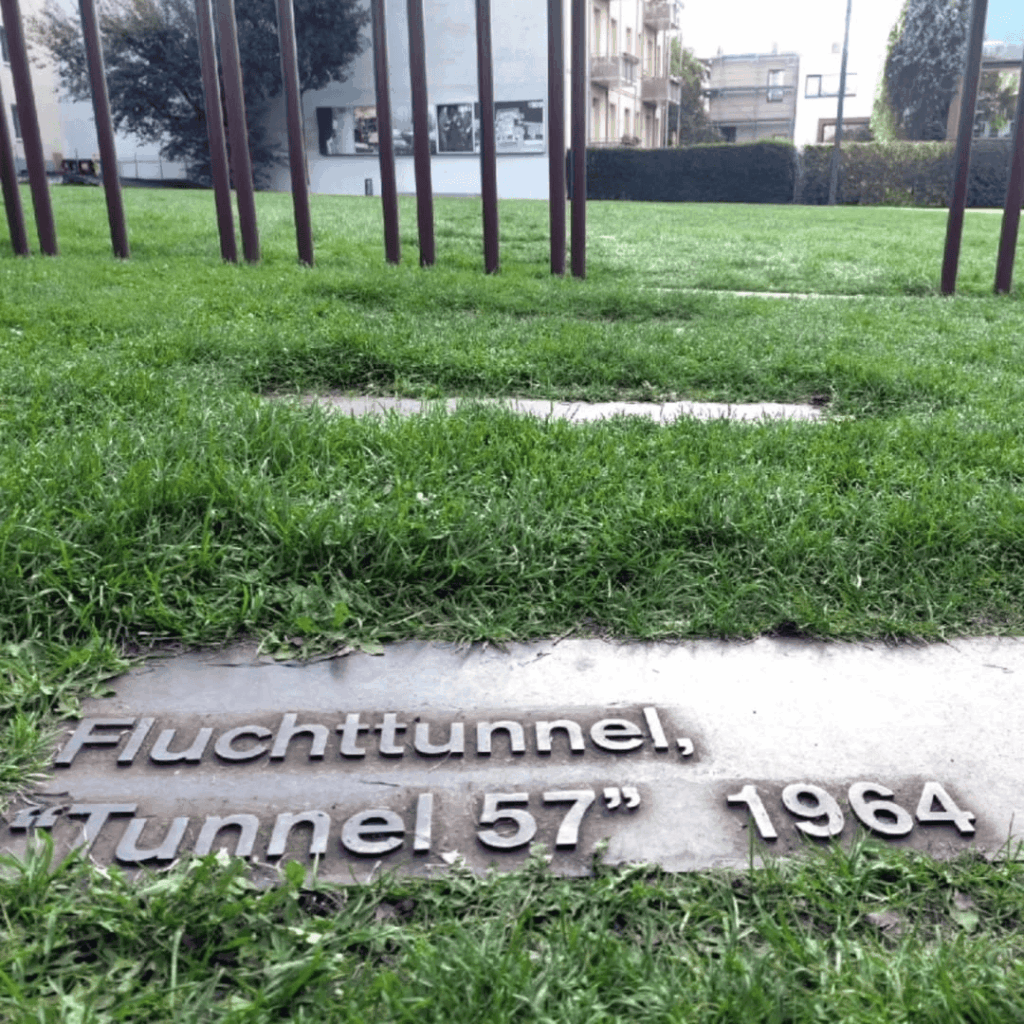
Bernauer Strasse became tragically famous when construction of the Wall in 1961 placed East Berlin apartment buildings directly on the border. This led some desperate residents to jump from windows into sheets held by West Berlin firefighters. Others constructed elaborate escape tunnels beneath the street.
The memorial does a great job of explaining these stories, as you walk along this open-air museum. Don’t miss the five-story observation tower which looks out over the wall memorial, as well as the Chapel of Reconciliation built on the site of a church demolished in 1985.
- Where: Bernauer Str. 111, 13355 Mitte | Map
- Free admission.
- More info here.

Topography of Terror
Built on the former site of the SS and Gestapo headquarters, this open-air and indoor documentation center confronts the Nazi regime’s crimes with unflinching honesty. The permanent exhibition details how the institutions of terror operated, using photographs, documents, and survivor testimonies. A preserved section of the Berlin Wall along the grounds adds another layer to this essential historical site.
The longest surviving section of the Berlin Wall in central Berlin still stands along the northern edge of the site. In 1987, during Berlin’s 750th anniversary celebrations, a temporary exhibition was installed that aimed to shed light on the role these organizations played in Nazi crimes. Following a positive public response, a permanent memorial and museum officially opened in 2010. The thoroughly revised permanent exhibition spans 800 square meters and focuses on the central institutions of the SS and police in the Third Reich.
With over one million visitors annually and free admission, the Topography of Terror serves as an essential educational site that confronts the bureaucratic machinery behind the Holocaust and the systematic persecution that occurred at this very location.
- Where: Niederkirchnerstraße 8, 10963 Mitte | Map
- Free admission.
- More info here.
DDR Museum
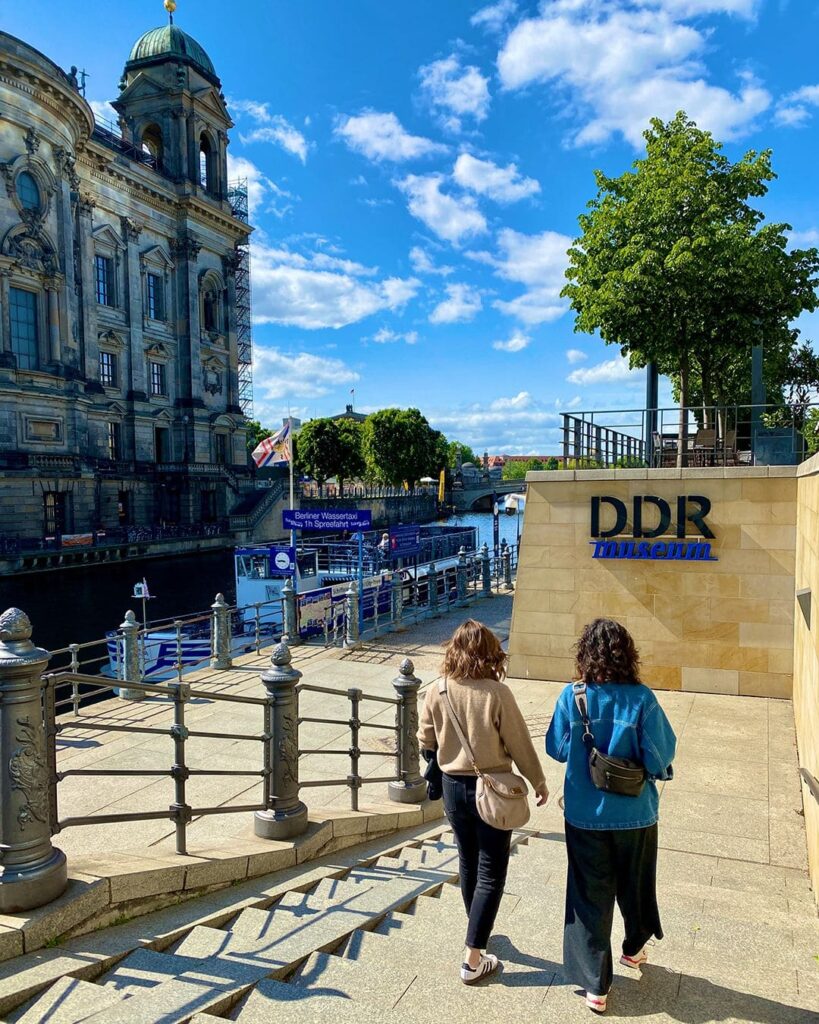
Take a peek at daily life behind the Iron Curtain here. The DDR museum brings East German history to life through hands-on exhibits. Here, you can sit in a recreated Trabant car, flip through Stasi files, explore a perfectly preserved East German apartment, and even experience what it felt like to be interrogated. It’s an engaging experience that shows how ordinary people navigated life under socialism.
With a collection that now comprises over 360,000 objects, the museum has become one of Berlin’s most visited attractions by offering an interactive, hands-on approach to understanding the complexities of daily life behind the Iron Curtain. It portrays the political realities, as well as the mundane rhythms of work, shopping, holidays, and family life.
- Where: Vera Britain Ufer, Karl-Liebknecht-Str. 1, 10178 Mitte | Map
- Book your ticket here.
Jewish Museum Berlin
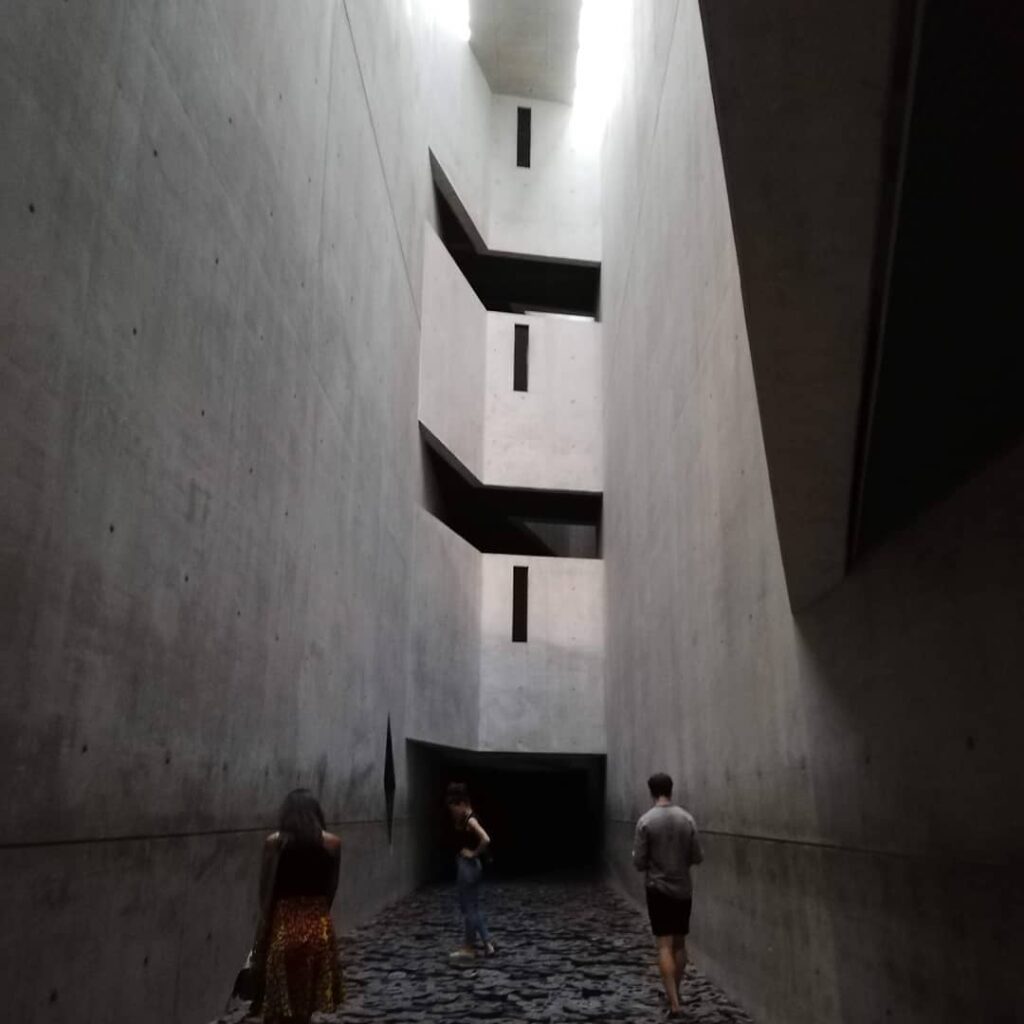
Daniel Libeskind‘s architectural masterpiece tells the story of German-Jewish history through both its dramatic architecture and its collections. The building itself communicates trauma and loss through disorienting angles and voids, while the exhibitions trace two millennia of Jewish life in Germany. The Garden of Exile and the Holocaust Tower are particularly moving architectural experiences that speak without words.
The Jewish Museum Berlin opened in 2001 and is the largest Jewish museum in Europe, presenting the history of Jews in Germany from the Middle Ages to the present day across 3,500 square metres of floor space. The museum experience includes powerful spaces like the underground axes leading to the Holocaust Tower and Garden of Exile, and the haunting installation “Fallen Leaves” by Menashe Kadishman in the Void of Remembrance, all contributing to making visitors physically and emotionally engage with the complex history of Jews in Germany.
- Where: Lindenstraße 9-14, 10969 Kreuzberg | Map
- More info here.
Stasi Museum
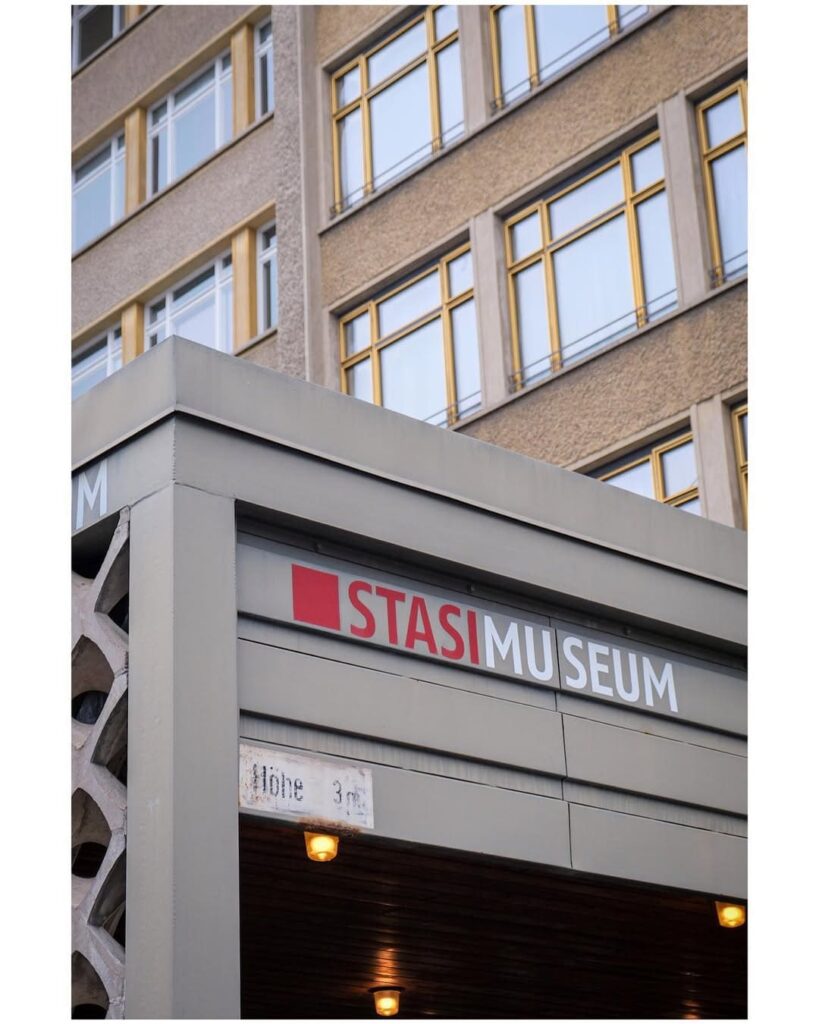
Located on the former site of the headquarters of the Ministry for State Security in Lichtenberg, the Stasi Museum offers a chilling glimpse into East Germany’s vast surveillance apparatus.
The repressive East German secret police was founded in 1950 and was based on the Soviet Cheka. It was headed Erich Mielke until its demise in 1989, and his office rooms have been preserved in their original condition and remain at the heart of the museum.
For more than 40 years, this complex remained an impenetrable bastion that appeared as nothing more than a black mark on maps, until demonstrators occupied the building on January 15, 1990, and by November of that year, a volunteer group mounted the first public exhibition.
The museum’s permanent exhibition explores how the Stasi recruited informants, controlled the population, and conducted surveillance through ingenious spy technology including hidden cameras built into everyday objects, listening devices, and machines that could secretly open and reseal private letters.
- Where: Normannenstraße 20/Haus 1, 10365 Lichtenberg | Map
- More info here.
Best Kid-Friendly Museums in Berlin
Deutsch Technikmuseum | German Technology Museum
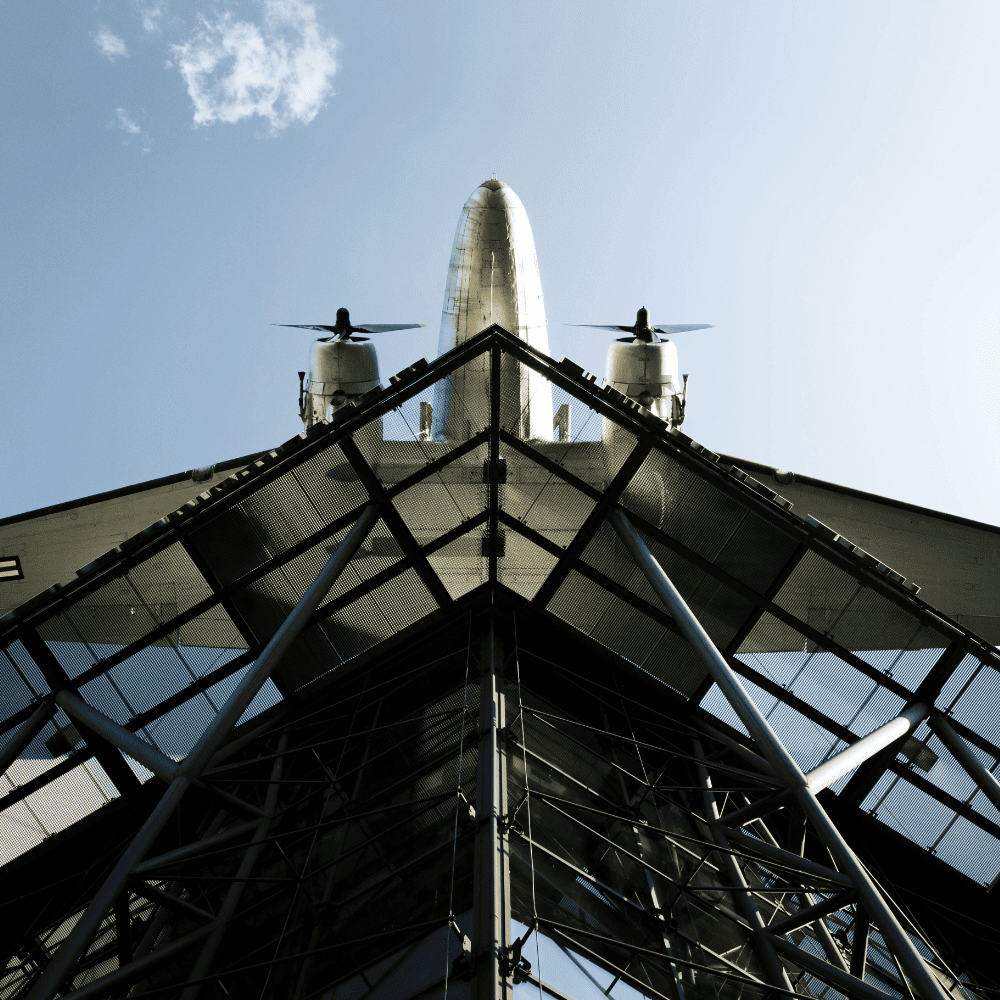
Originally founded in 1982, the Deutsch Technikmuseum is instantly recognizable by the Douglas C-47B “Raisin Bomber” from 1949 perched dramatically on its façade.
Spanning over 28,500 square meters, this family-friendly institution invites visitors on an interactive journey through the cultural history of technology. It offers fourteen departments exploring everything from hot air balloons and steam locomotives to ocean-going ships, computers, and printing presses.
Highlights include a replica of Konrad Zuse’s Z1 calculating machine (ie. the first computer), an impressive aviation hall, and historic train roundhouses displaying 40 railway vehicles. The museum complex also features the Science Center Spectrum with 150 hands-on experiments and a twelve-hectare park containing functioning windmills, a historic brewery, and a forge water wheel, making it one of Europe’s largest and most engaging technology museums.
- Where: Möckernstraße 26, 10963 Kreuzberg | Map
- More info here.
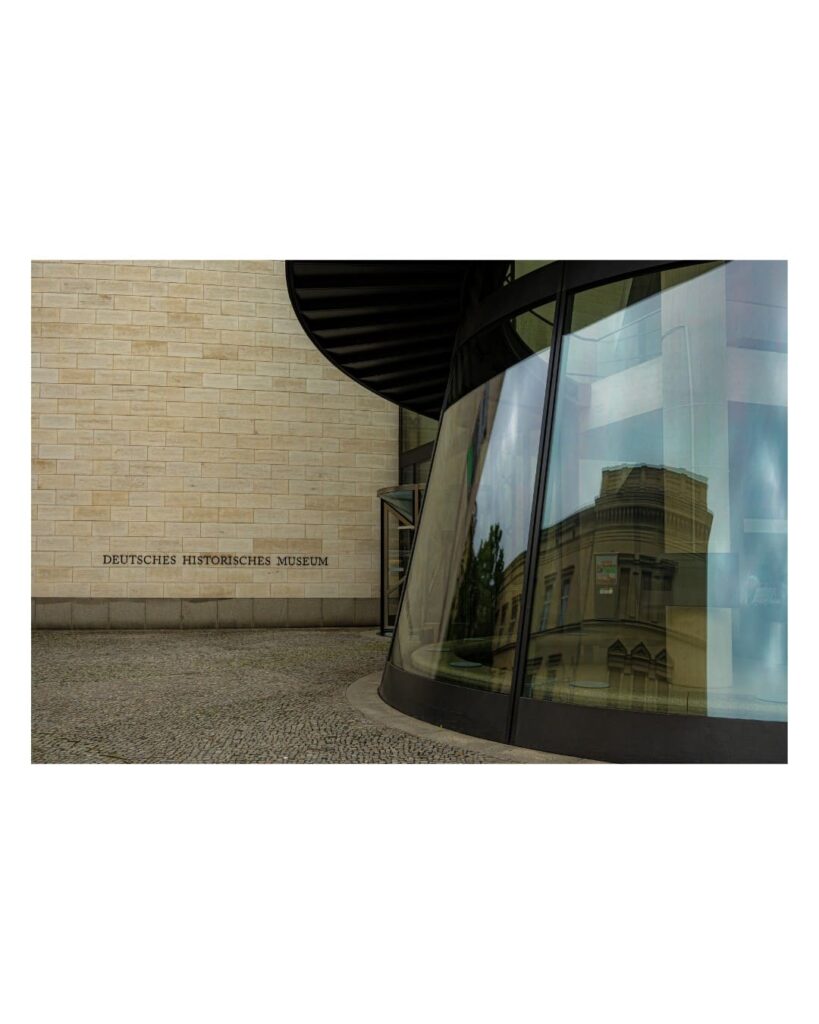
German Historical Museum | Deutsches Historisches Museum
The Deutsches Historisches Museum traces 2,000 years of German history. From medieval artifacts to reunification, the chronological journey helps visitors understand how Germany arrived at its present moment.
Originally planned for the Spreebogen near the Reichstag, the museum’s trajectory changed dramatically after the fall of the Berlin Wall, and it was relocated to the historic 17th-century Zeughaus on Unter den Linden. It’s the oldest building on this famous boulevard and Berlin’s most significant preserved baroque structure.
The museum’s attached Exhibition Hall was designed by renowned architect I. M. Pei and opened in 2003, creating a striking architectural dialogue between baroque grandeur and contemporary design.
While the historic Zeughaus and its permanent exhibition covering German history from medieval times through reunification are currently closed for extensive renovation, the Pei Building continues to host temporary exhibitions on formative events, developments, and people in German history within a European context, complemented by lectures, panel discussions, and film screenings at the Zeughauskino.
With approximately 800,000 visitors annually, the museum is one of Berlin’s most frequented cultural institutions and a vital forum for understanding the complex layers of German and European history.
- Where: Unter den Linden 2, 10117 Mitte | Map
- More info here.
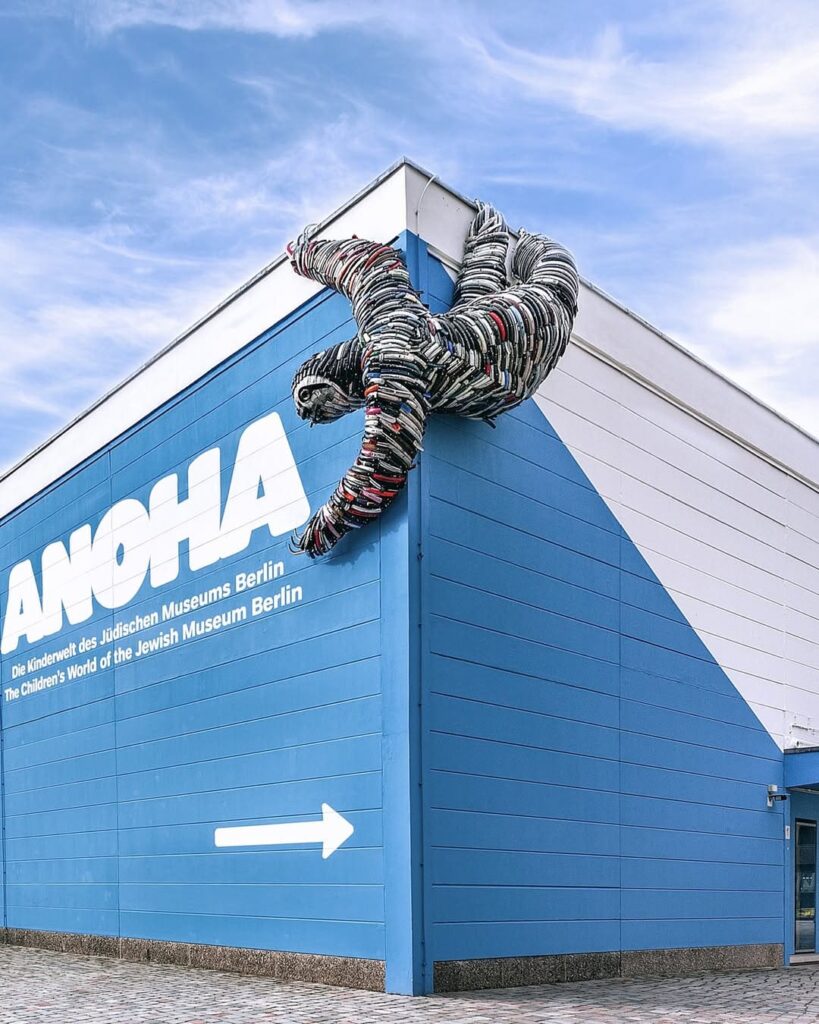
ANOHA
ANOHA, the Children’s World of the Jewish Museum Berlin, offers children ages three to twelve many possibilities to both play and learn. Set across 2,700 square meters in a former wholesale flower market hall in Kreuzberg, the museum originally opened in June 2021.
At its heart stands a spectacular circular wooden ark measuring 28 meters in diameter and seven meters high, designed by American architectural firm Olson Kundig. It’s filled with more than 150 whimsical animal sculptures crafted from recycled materials and found objects by a team of Berlin artists.
The museum centers on the story of Noah’s Ark from the Torah, encouraging children to think about the respectful coexistence of people, animals, and nature. They provide activities like building their own arks, feeding the animals, and composing water concerts. Admission is free for children (with a small booking fee), non-slip socks are required, and advance reservations are highly recommended as this innovative space has become one of Berlin’s most beloved family destinations.
- Where: Fromet-und-Moses-Mendelssohn-Platz, 10969 Kreuzberg | Map
- More info here.
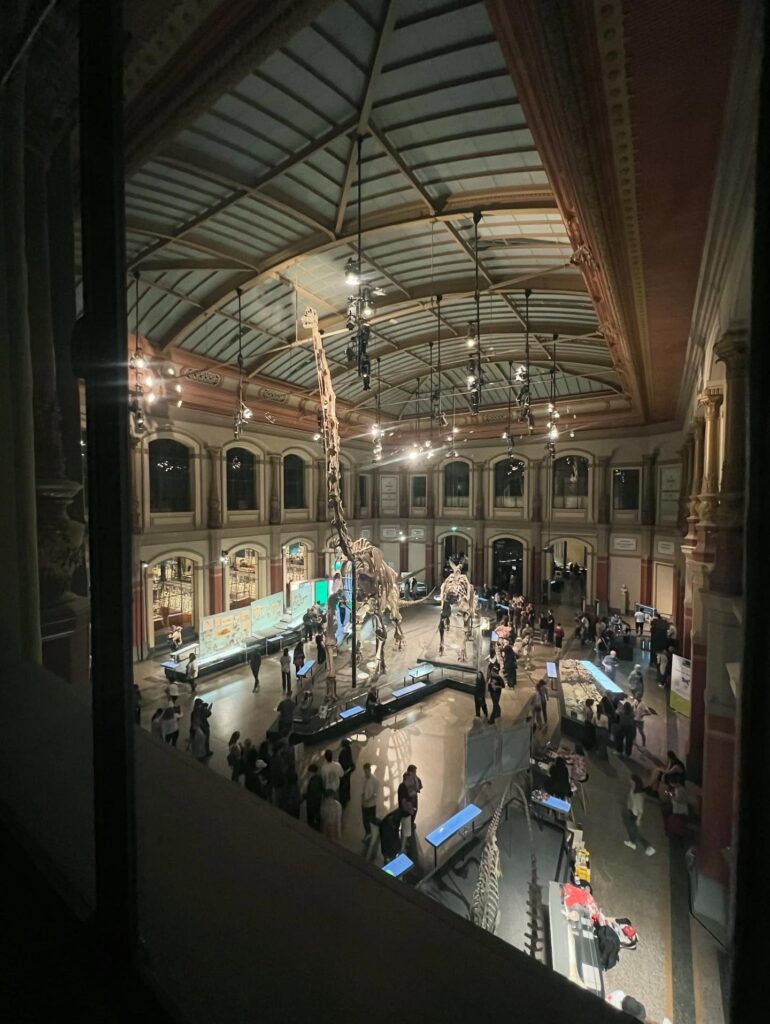
Museum für Naturkunde | Natural History Museum
Dinosaur enthusiasts, this one’s for you! Founded in 1810 with Humboldt University, the Museum für Naturkunde Berlin is one of the city’s oldest museums and houses more than 30 million zoological, paleontological, and mineralogical specimens.
It’s most famous as being home to the world’s largest mounted dinosaur skeleton, the Brachiosaurus brancai towers 13m over visitors in the museum’s spectacular atrium, as well as a remarkably well-preserved specimen of Archaeopteryx, the earliest known bird.
But it’s more than just dinosaurs. The striking glass-walled Wet Collection Wing displays one million specimens preserved in ethanol solution across 12.6 kilometers of shelf space held in 276,000 jars, while the Biodiversity Wall showcases around 3,000 prepared animal species illustrating evolution in action.
The museum captivates over 700,000 visitors every year with exhibitions spanning the cosmos, the formation of Earth, and the magnificent diversity of life.
- Where: Invalidenstraße 43, 10115 Mitte | Map
- Get your tickets here.
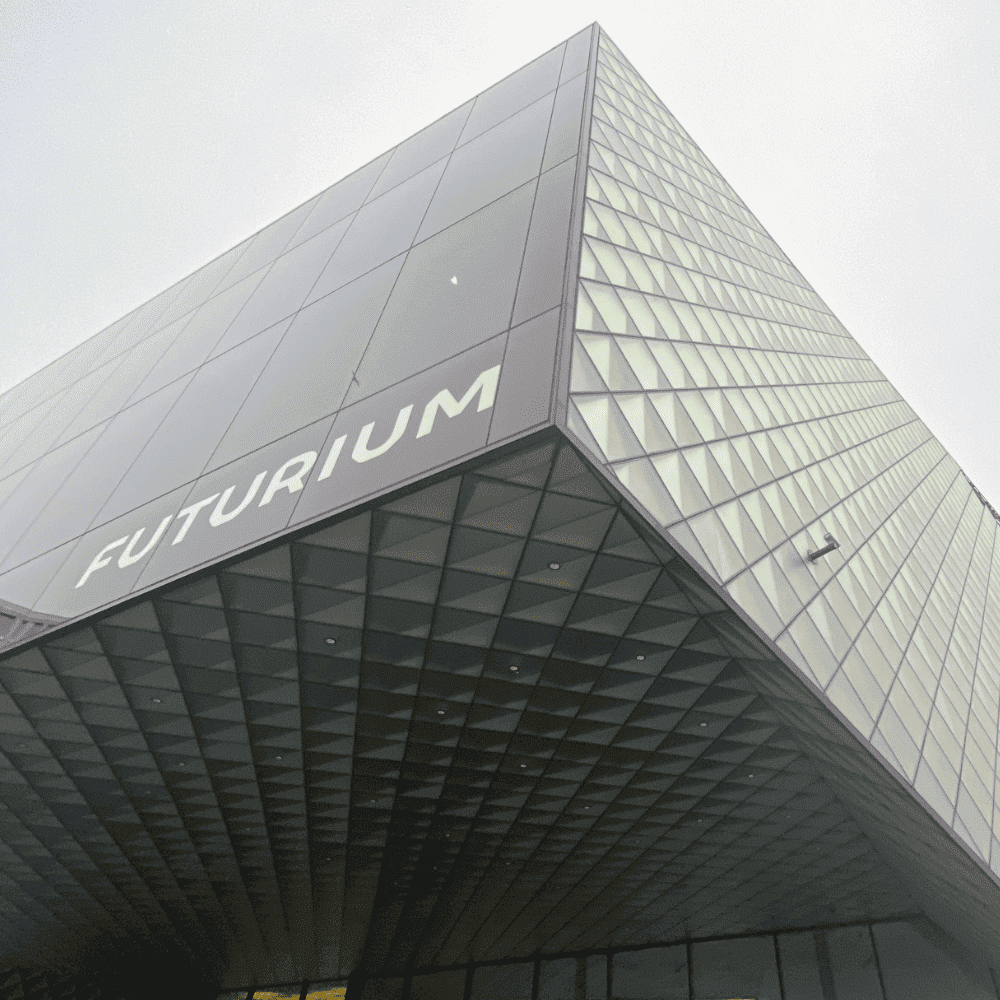
Futurium
Located on the Spree next to Hauptbahnhof, Futurium poses the overarching question “How do we want to live?” and presents possible futures, as arising from our own decisions and actions.
Spanning over 5,000 square meters across three floors, the museum is divided into three main areas: the Exhibition space presents various options for the future through thinking spaces focused on Humans, Nature, and Technology. The Forum brings together science, politics, culture, and civil society while the Lab invites visitors of all ages to experiment with future technologies and work on their own inventions in creative workshops.
Best of all, admission to this engaging, fully accessible museum is completely free, making it an ideal destination for curious minds of all ages.
- Where: Alexanderufer 2, 10117 Mitte | Map
- Free admission.
- More info here.
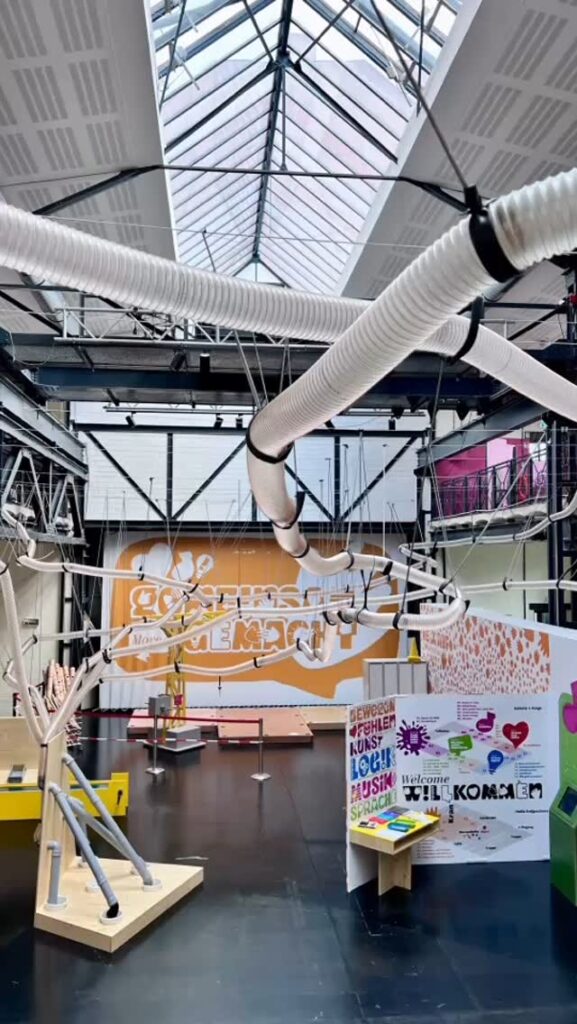
Labyrinth Kinder Museum
Founded in 1997 in Wedding, the Labyrinth Kindermuseum presents interactive exhibitions for children aged three to eleven across 1,000 square meters in a historic former match-making machine factory.
With the motto “learning-by-doing,” the museum transforms education into play, inviting children to touch, experiment, and explore through hands-on activities. Every two years, the museum creates new thematic exhibitions addressing relevant topics such as talents, environmental protection, sustainability, children’s rights, health, fairy tales, and cultural diversity. Recent shows have focused on building sustainable futures and exploring global cultures.
Inside this old factory, visitors remove their shoes and enter a fun and educational playground designed to subtly teach cultural sensitivity, tolerance, and community spirit through interactive games, puzzles, and exploration stations.
- Where: Osloer Str. 12, 13359 Wedding | Map
- More info here.
Best Historical Museums in Berlin
Neues Museum
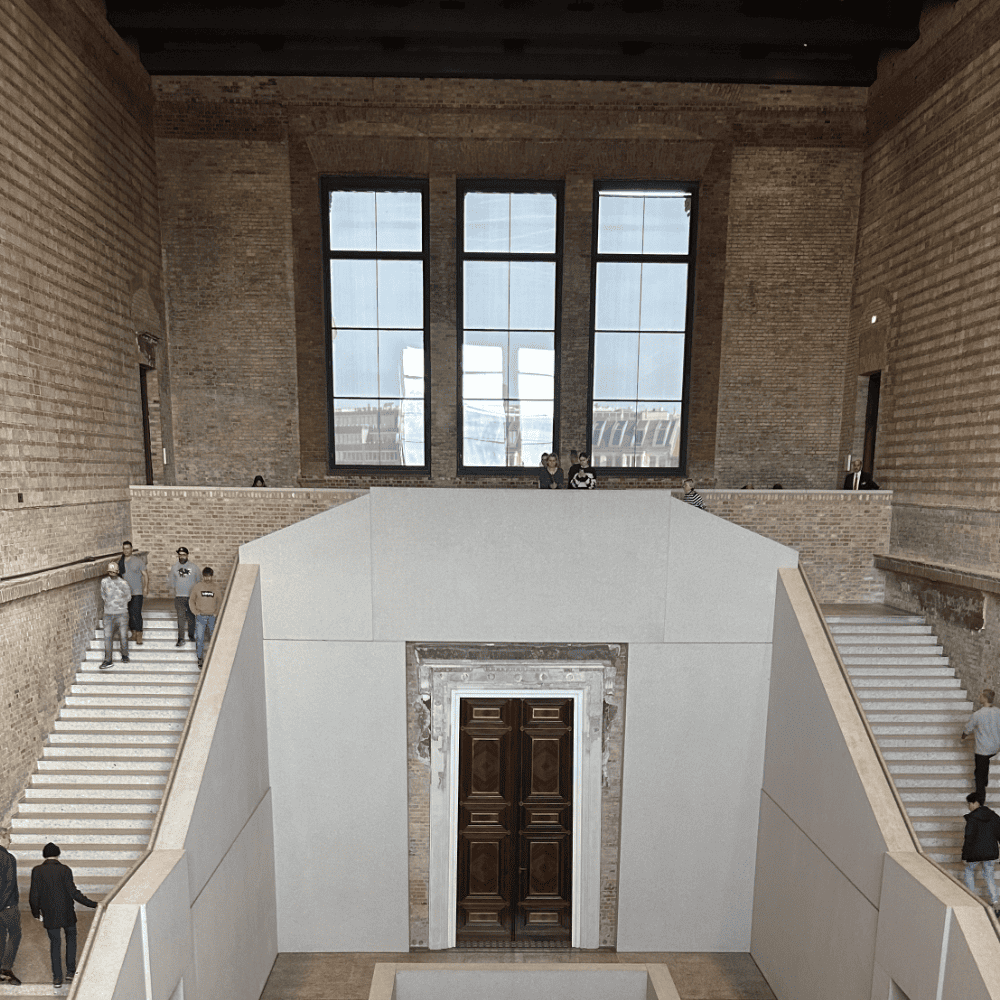
Originally built in 1855 by order of King Frederick William IV of Prussia, the building was severely damaged during World War II bombing. It was left to decay for over 50 years, until the restoration by David Chipperfield. The result has earned a few prestigious awards, including the 2011 European Union Prize for Contemporary Architecture.
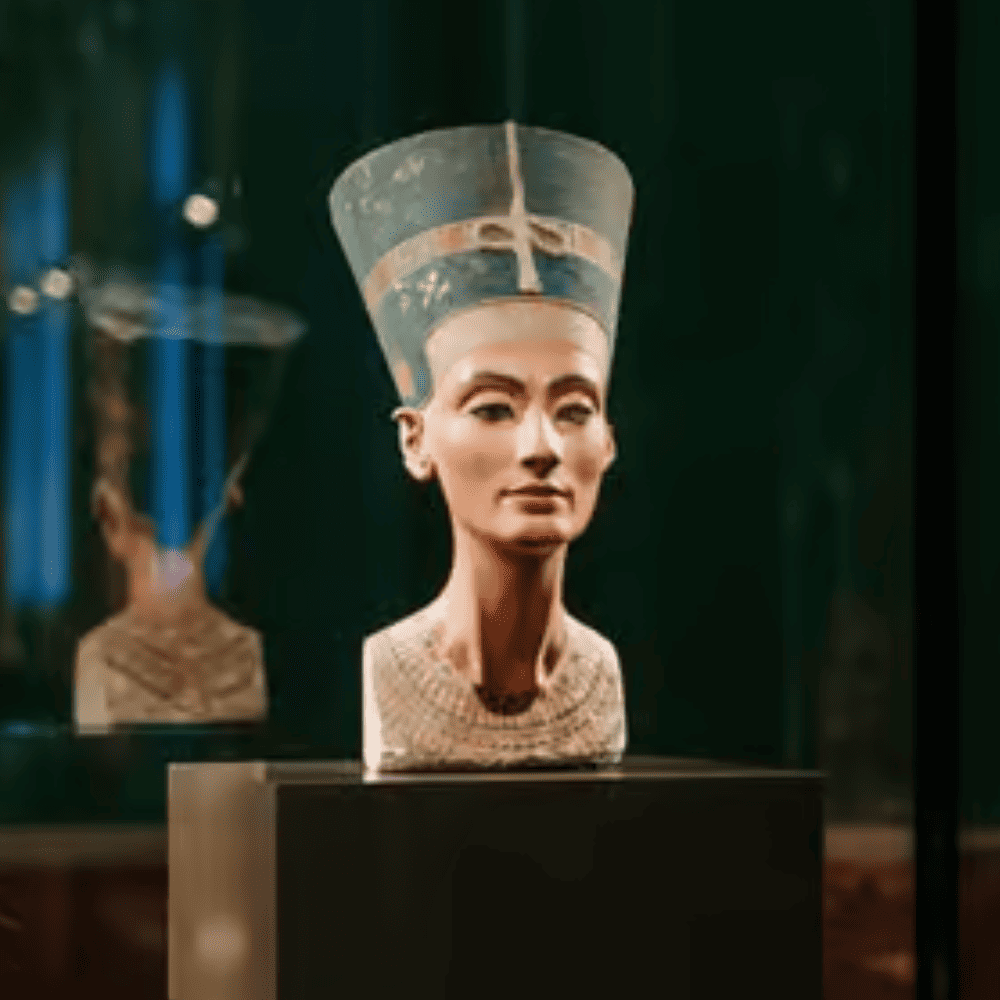
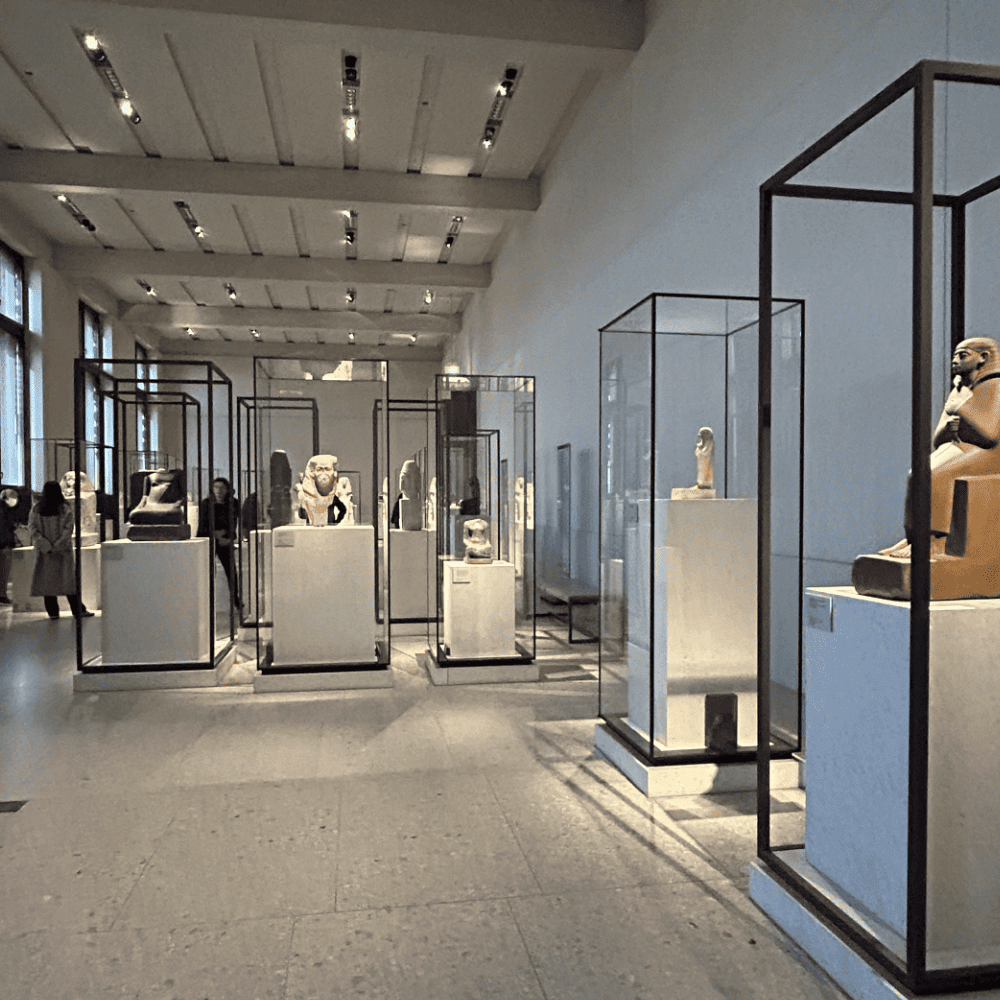
However, the star attraction is the hauntingly beautiful bust of Nefertiti, displayed in splendid isolation in the North Dome Hall. Other highlights include the Bronze Age Berlin Gold Hat with its mysterious calendrical symbolism, and Heinrich Schliemann’s Troy collection.
The museum houses almost 9,000 objects across 8,000 square meters on four levels, including the Egyptian Museum and Papyrus Collection in the north wing and the Museum of Prehistory and Early History.
- Where: Bodestraße 1-3, 10178 Mitte | Map
- Buy tickets here.
Bode Museum
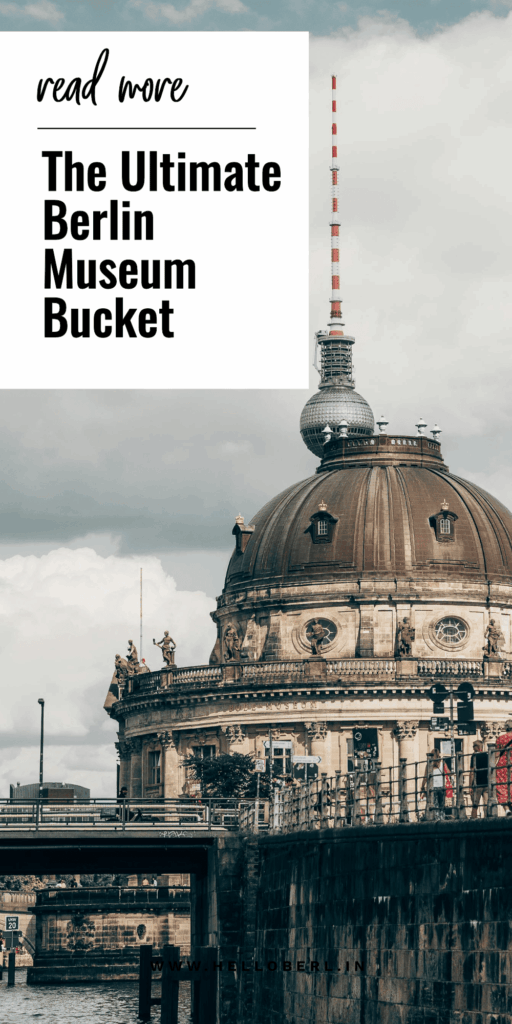
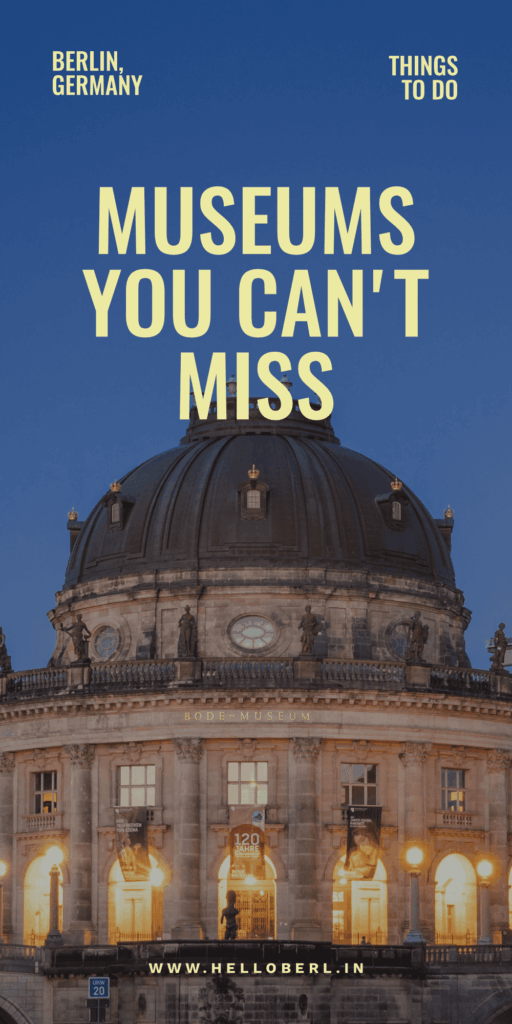
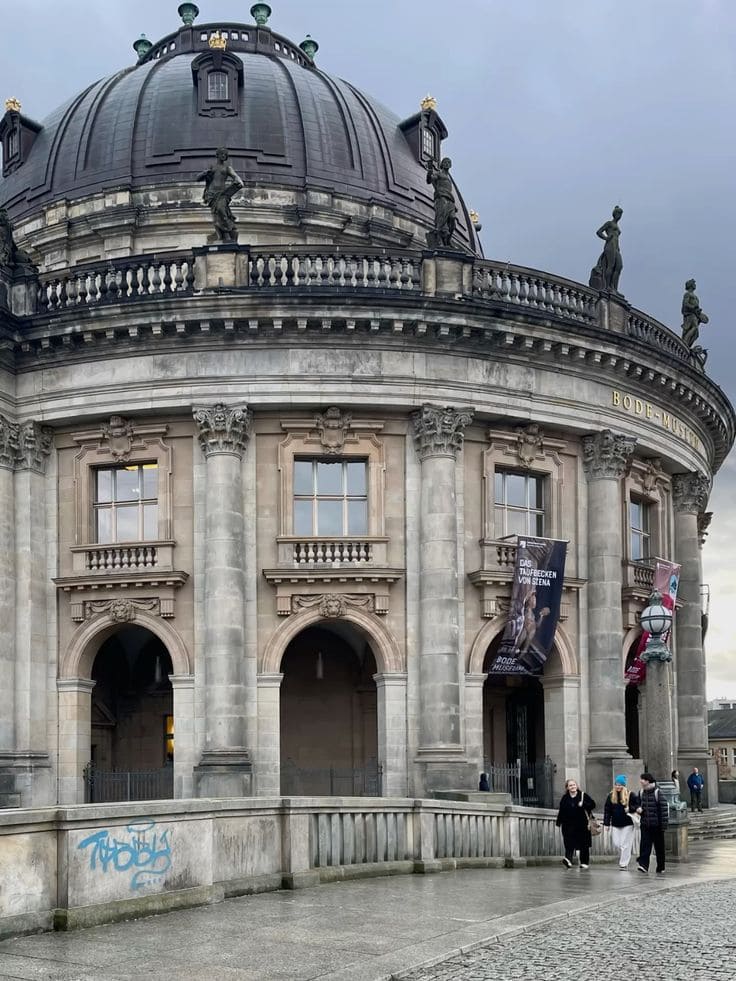
The Bode Museum is a neo-1904 baroque masterpiece built on the northern tip of Museum Island. Originally conceived by Crown Princess Victoria of Prussia, it was a radical departure from traditional museums of the time, daring to present painting and sculpture side by side.
Like the other buildings here, it was severely damaged during World War II, with fires in May 1945 destroying more than 400 paintings and about 300 sculptures. But after extensive restoration and a €156 million refurbishment, it reopened in October 2006.
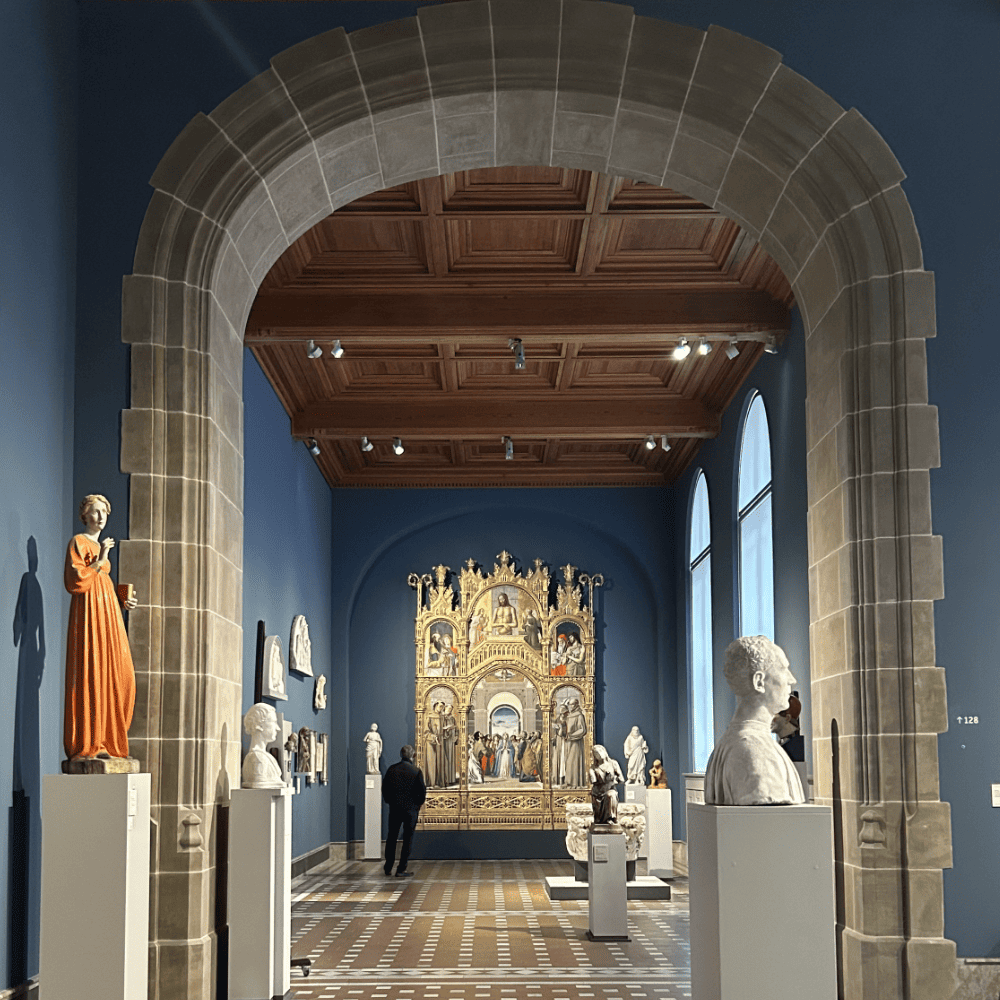
Today, the museum houses an exceptional sculpture collection spanning from the early Middle Ages through the late 18th century. It includes the Museum of Byzantine Art covering the 3rd to 15th centuries, around 150 paintings from the Gemäldegalerie, as well as the Münzkabinett: one of the world’s largest numismatic collections with approximately 500,000 coins and medals.
Tip: The Bode Museum also houses a cafe in the atrium, which you can access even without entering the museum itself. It’s a gorgeous place to take a break, whether you’re visiting the museum or not.
- Where: Am Kupfergraben 3, 10178 Mitte | Map
- More info here.
Pergamon Museum
Constructed in 1930 by order of Emperor Wilhelm II, the Pergamon Museum is a listed building that was added to the UNESCO World Heritage List in 1999. It’s the crown jewel of Museum Island, and it houses some of antiquity’s most breathtaking architectural reconstructions.
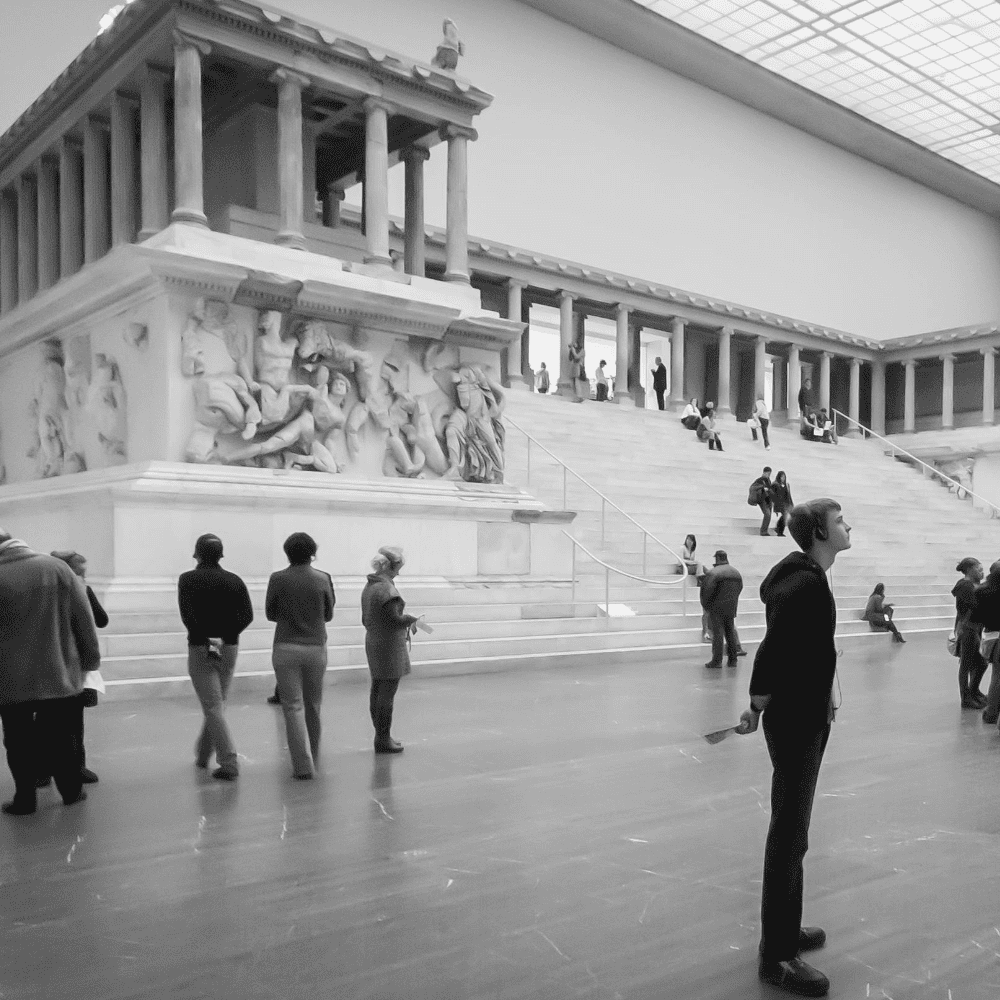
The museum houses three extraordinary collections: the Antikensammlung (Collection of Classical Antiquities), the Vorderasiatisches Museum (Museum of the Ancient Near East), and the Museum für Islamische Kunst (Museum of Islamic Art). But the museum has gained worldwide fame for its monumental reconstructions of ancient architectural structures, including the namesake Pergamon Altar, the spectacular blue-glazed Ishtar Gate and Processional Way from Babylon, and the imposing two-story Market Gate of Miletus.
Tip: Please note that the Pergamon Museum is currently closed for renovations but will partially reopen in 2027. However, visitors can currently experience the treasures through “Pergamonmuseum. Das Panorama,” a temporary exhibition featuring a 360-degree panorama by artist Yadegar Asisi, along with ancient originals from Pergamon, located just outside Museum Island.
- Where: Bodestraße 1-3, 10178 Mitte | Map
- More info here.
Altes Museum
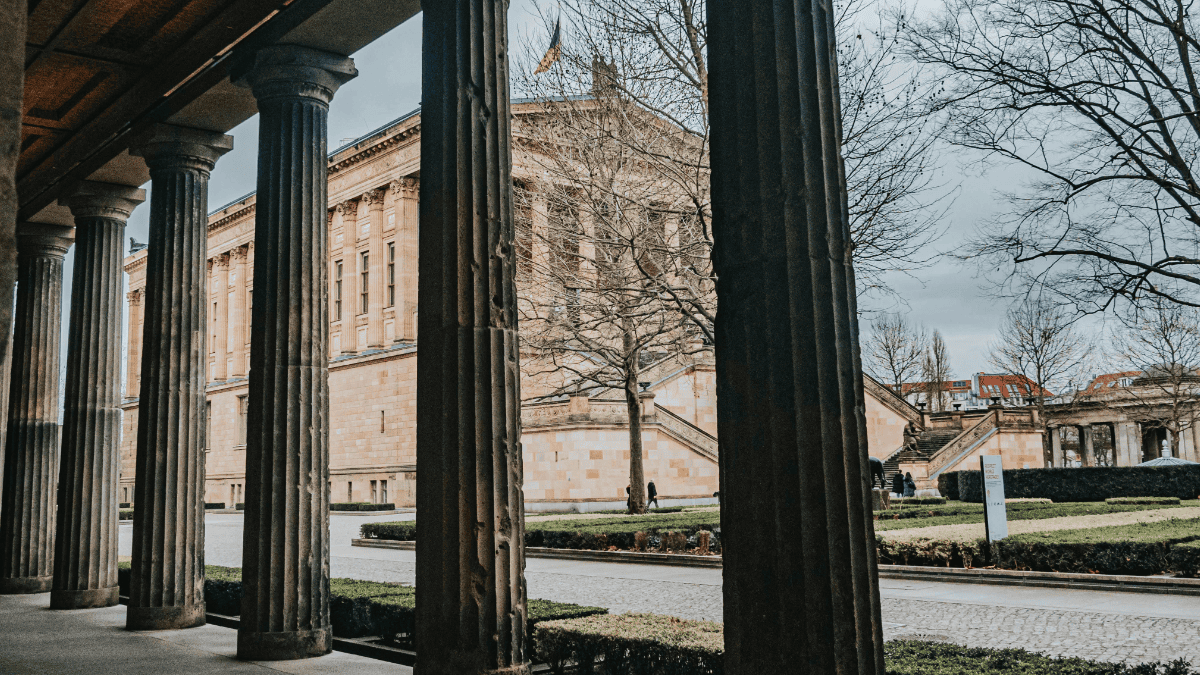
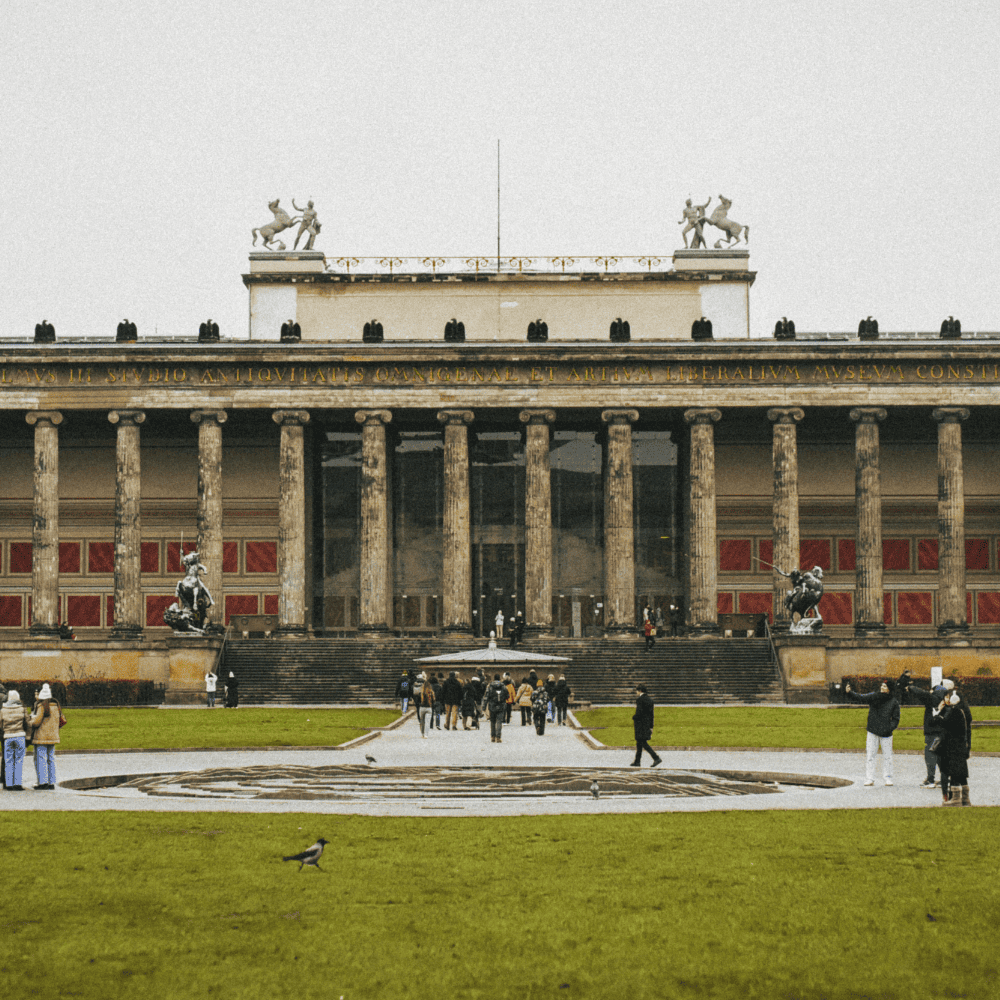
Built in 1830 by order of King Frederick William III of Prussia, the Altes Museum is considered a major work of German Neoclassical architecture. It was one of the first buildings in Europe to have been constructed expressly as a museum.
The monumental arrangement of eighteen colossal Ionic columns at the front provides an impressive welcome, while inside, the rotunda modeled on Rome’s Pantheon creates a temple-like atmosphere for contemplating art.
Originally opened in 1830 to display all of Berlin’s art collections, the museum was renamed “Altes Museum” (Old Museum) in 1845 after completion of the Neues Museum. Today, it houses the Collection of Classical Antiquities with its permanent exhibition “Ancient Worlds: Greeks, Etruscans and Romans,” showcasing Greek sculpture from the 7th century BC to the 1st century BC on the main floor and an exquisite selection of Etruscan and Roman art upstairs.
- Where: Bodestraße 1-3, 10178 Mitte | Map
- More info here.
Alte Nationalgalerie
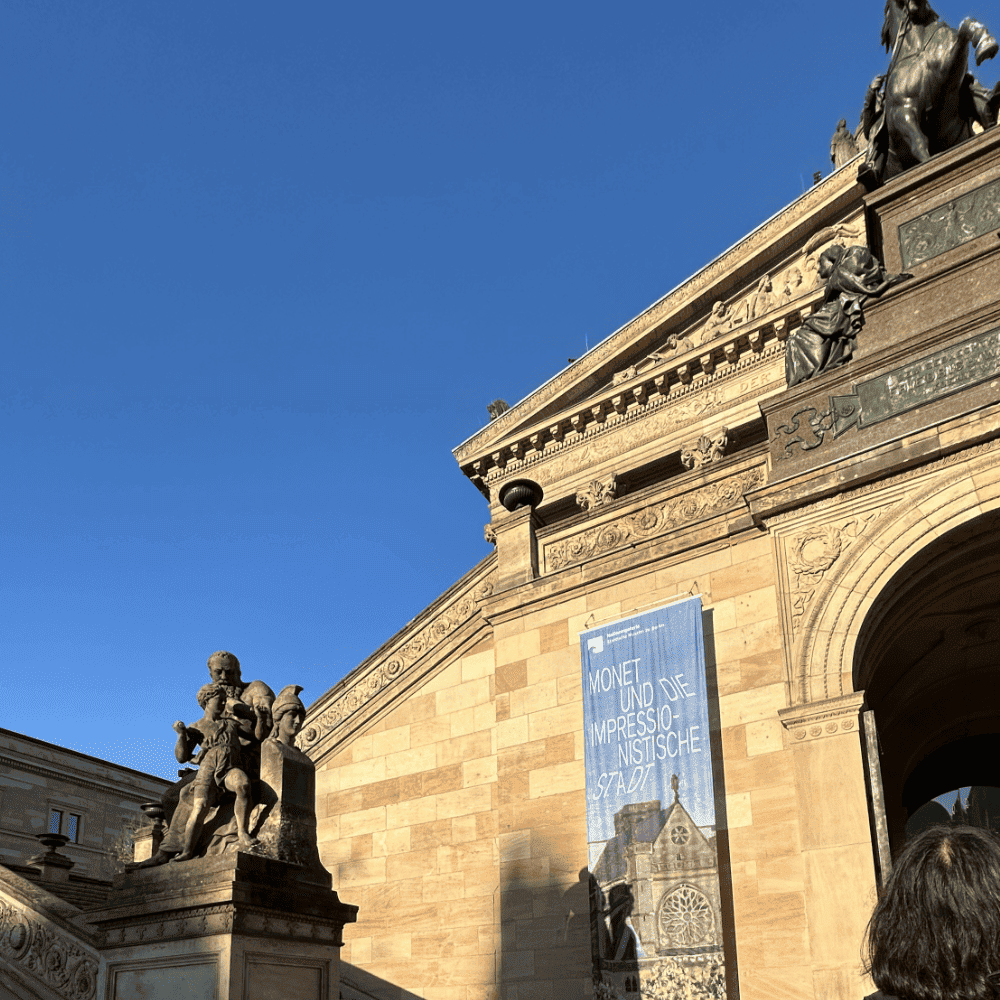
The Alte Nationalgalerie is home to one of the most important collections of 19th-century art in Germany. Perched like a Roman temple atop Museum Island, the building was constructed in 1876, and was intended to evoke aspects of a church, theatre, and temple.
The building did sustain damage from WWII, but was able to partly reopen to the public in 1949. Its most recent renovation by German architect HG Merz finished in 2001.
The museum showcases masterpieces spanning from Classicism through Romanticism, Biedermeier, and Impressionism, featuring luminaries such as Caspar David Friedrich, Adolph von Menzel, Karl Friedrich Schinkel, as well as French masters including Claude Monet, Édouard Manet, and Pierre-Auguste Renoir.
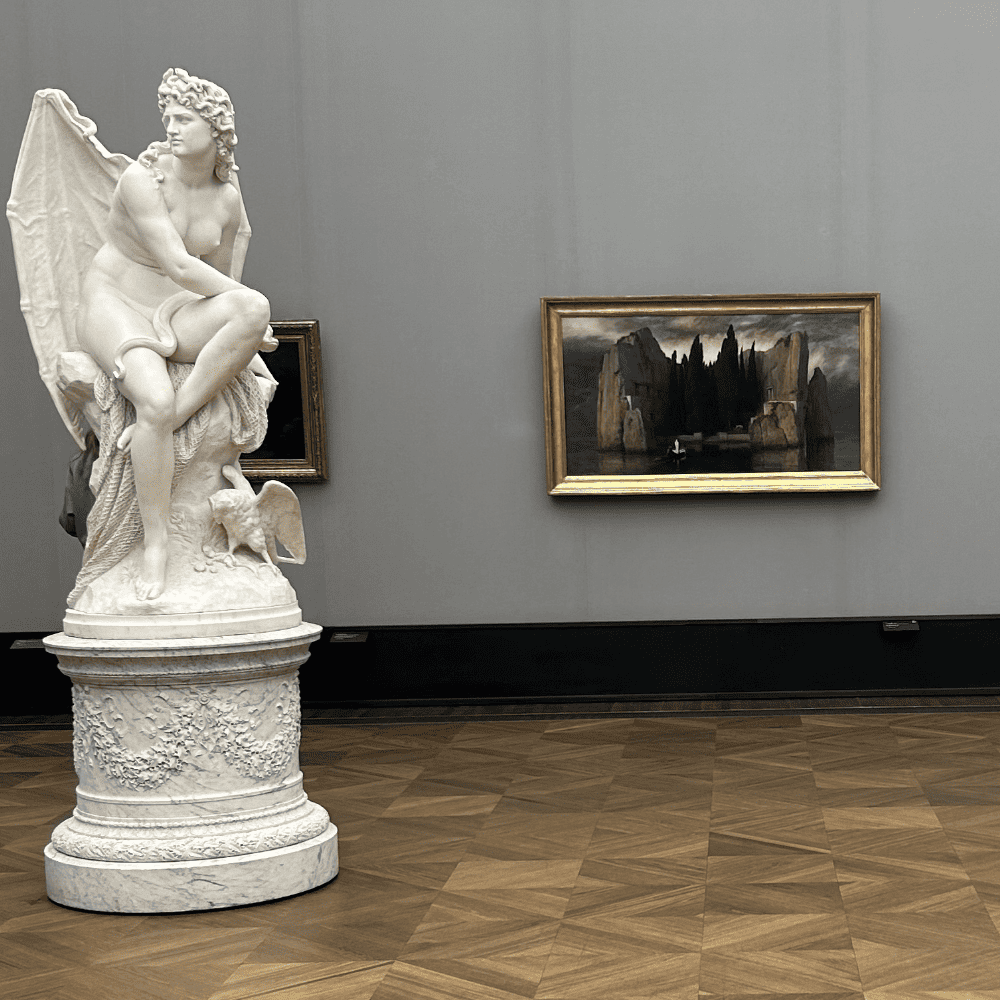
Tip: The museum houses the third Isle of the Dead painting of Swiss artist Arnold Böcklin, which was once owned by Hitler.
- Where: Bodestraße 1-3, 10178 Mitte | Map
- More info here.
Gemäldegalerie
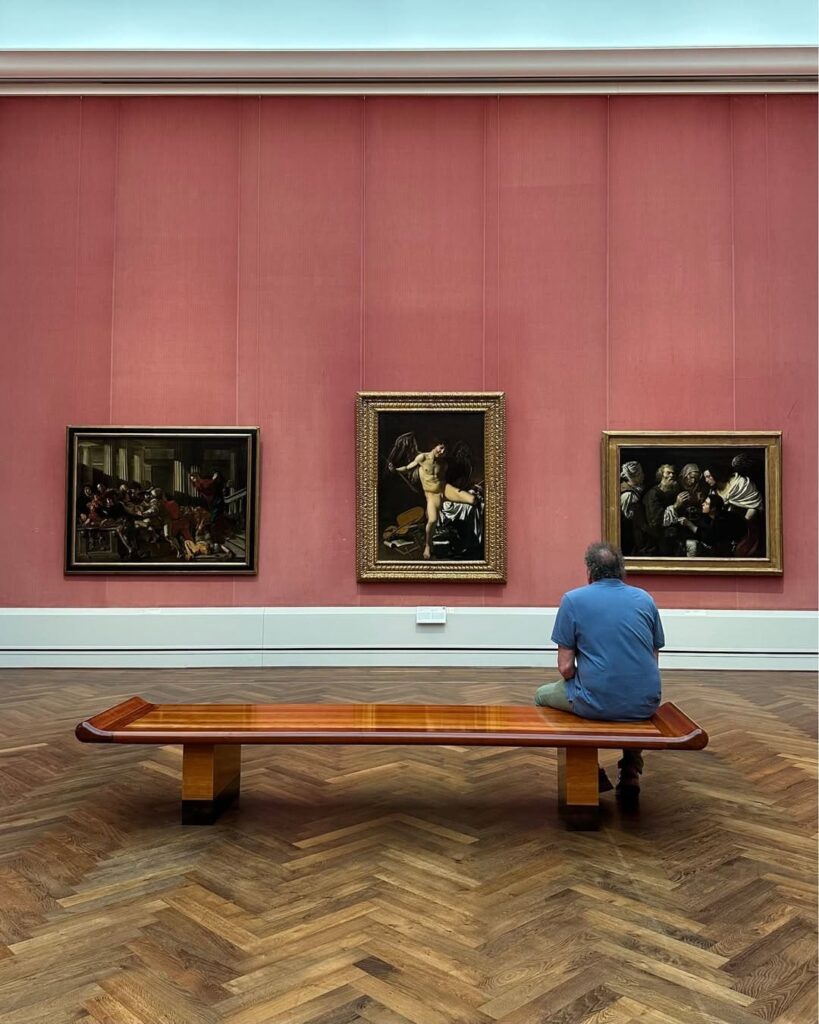
Founded in 1830 and possessing one of the world’s most important collections of European paintings, the Gemäldegalerie displays over 1,000 masterpieces across 72 rooms in its current home at the Kulturforum.
The current building was completed in 1998 and offers an elegant, light-filled space where visitors can follow an almost two-kilometer-long circular route through the history of European art. The exhibition is organized chronologically by epochs, artistic landscapes, and schools, featuring an impressive roster of masters including Rembrandt, Albrecht Dürer, Lucas Cranach, Titian, Raphael, Jan van Eyck, Rubens, Peter Bruegel, Thomas Gainsborough, Jan Vermeer, and Caravaggio.
During the Cold War, the collection was divided between West and East Berlin. There was one venue in Dahlem and another at Museum Island. This separation that lasted until 1997 when the reunified collection moved to its present location.
- Where: Johanna und Eduard Arnhold Platz, 10785 Tiergarten | Map
- More info here.
Humboldt Forum
The controversial Humboldt Forum is a museum dedicated to human history, art and culture located in the Berlin Palace. The architecture thrives on a contrasting combination of ultra-modern building elements and reconstructed sculptural baroque palace façades designed by Italian architect Franco Stella.
The museum houses the non-European collections of the Ethnological Museum and the Museum of Asian Art across approximately 30,000 square meters, presenting around 20,000 exhibits spanning from the 5th millennium BC to the present day.
The controversy arises in two ways. First, many hate the €680m reconstruction of the building, which occupies space where both the Berlin Palace and the DDR-era Der Palast der Republik once stood. Second, the collection has sparked significant debate regarding its display of artifacts from former German colonies, prompting ongoing conversations about repatriation and the complex legacy of European colonialism in museum collections. (It’s frequently compared to the British Museum.)
Tip: Check out Baret, the rooftop cafe and terrace for sweeping views across the city. It’s a great place for a break after visiting the museum, or to catch a pretty summer sunset.
- Where: Schloßpl., 10178 Mitte | Map
- More info here.
Best Art Museums in Berlin, Germany
Neue Nationalgalerie
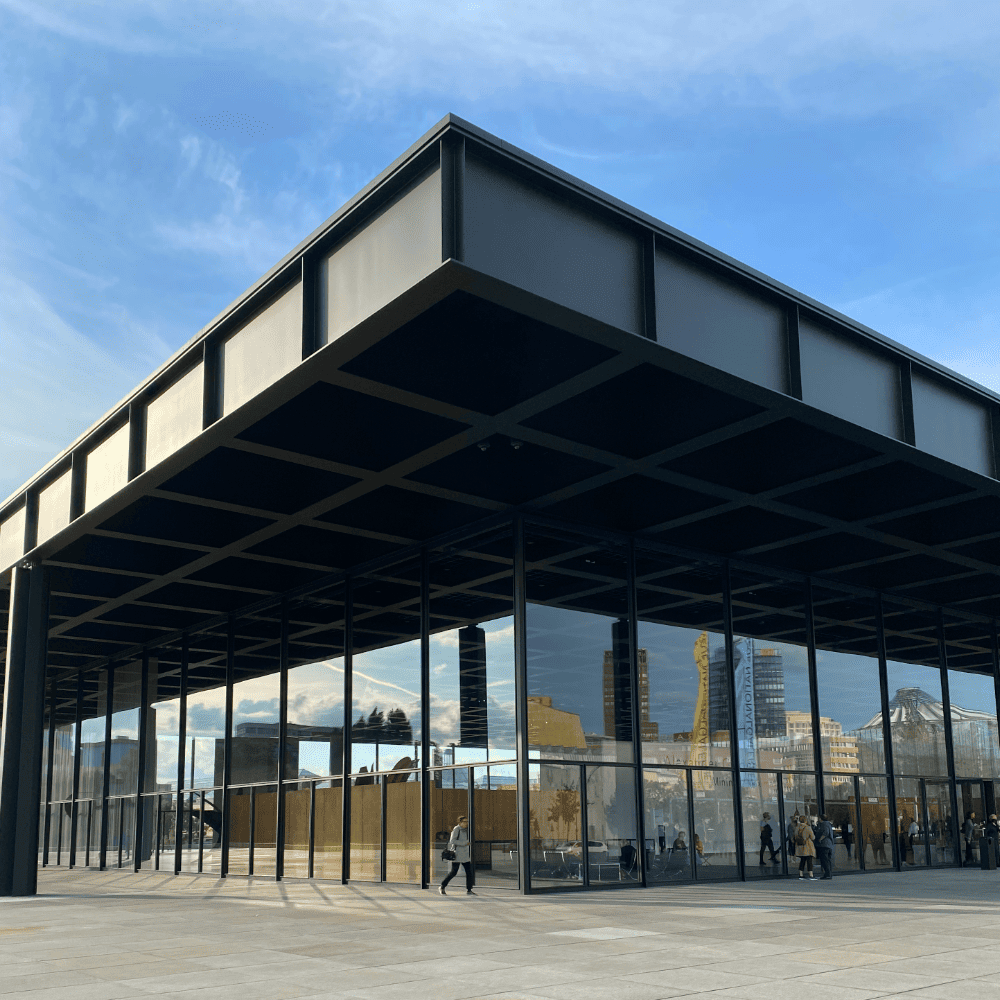
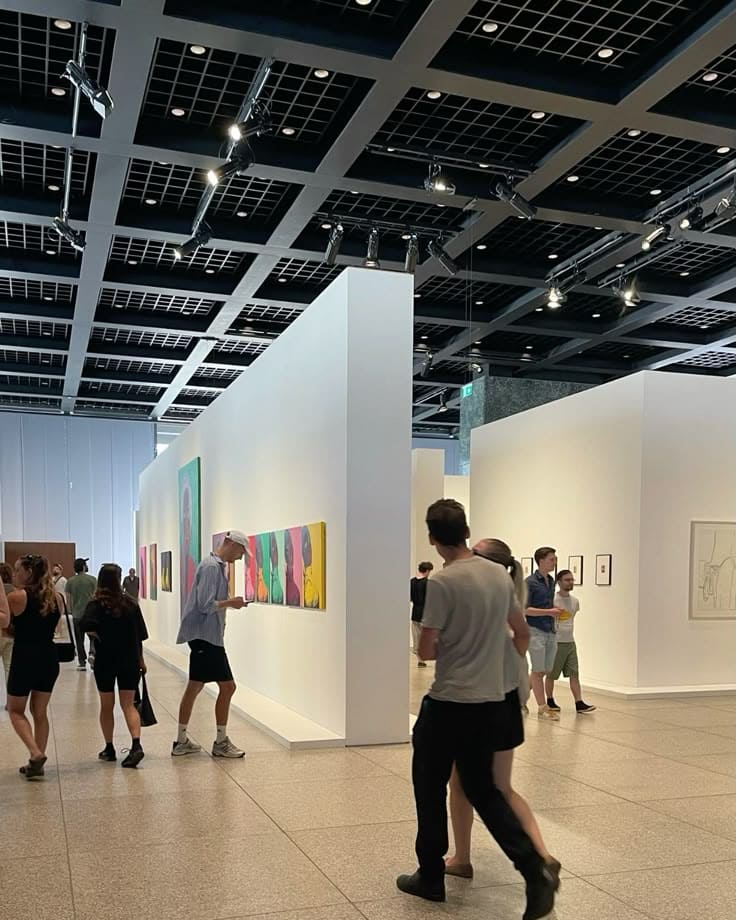
The Neue Nationalgalerie is a museum for modern art in Berlin, housed in stunning steel and glass building designed by Ludwig Mies van der Rohe. Built in 1968, this landmark building represents the only structure designed by van der Rohe in Europe after his emigration to the United States, and stands as his final architectural achievement. (He died shortly after its inauguration.)
The museum’s collection showcases key artworks from European and North American artists including Francis Bacon, Max Beckmann, Salvador Dalí, Pablo Picasso, Gerhard Richter, and Andy Warhol. It has particularly strong holdings in German Expressionism, featuring works by Kirchner, Otto Dix, and George Grosz. The museum’s celebrated glass Upper Hall embodies Mies van der Rohe’s famous principle of “less is more,” creating a flowing, light-filled space where interior and exterior seamlessly merge.
After undergoing extensive renovation by David Chipperfield Architects that closed it from 2015 to 2020, the Neue Nationalgalerie at the Kulturforum continues to serve as one of Berlin’s premier destinations for experiencing the art and architecture of the twentieth century.
Tip: Keep an eye on their website or Instagram for updates as they frequently host free events, like performances or lectures. Plus, they offer free admission on Thursday evenings.
- Where: Potsdamer Str. 50, 10785 Tiergarten | Map
- More info here.
Gropius Bau
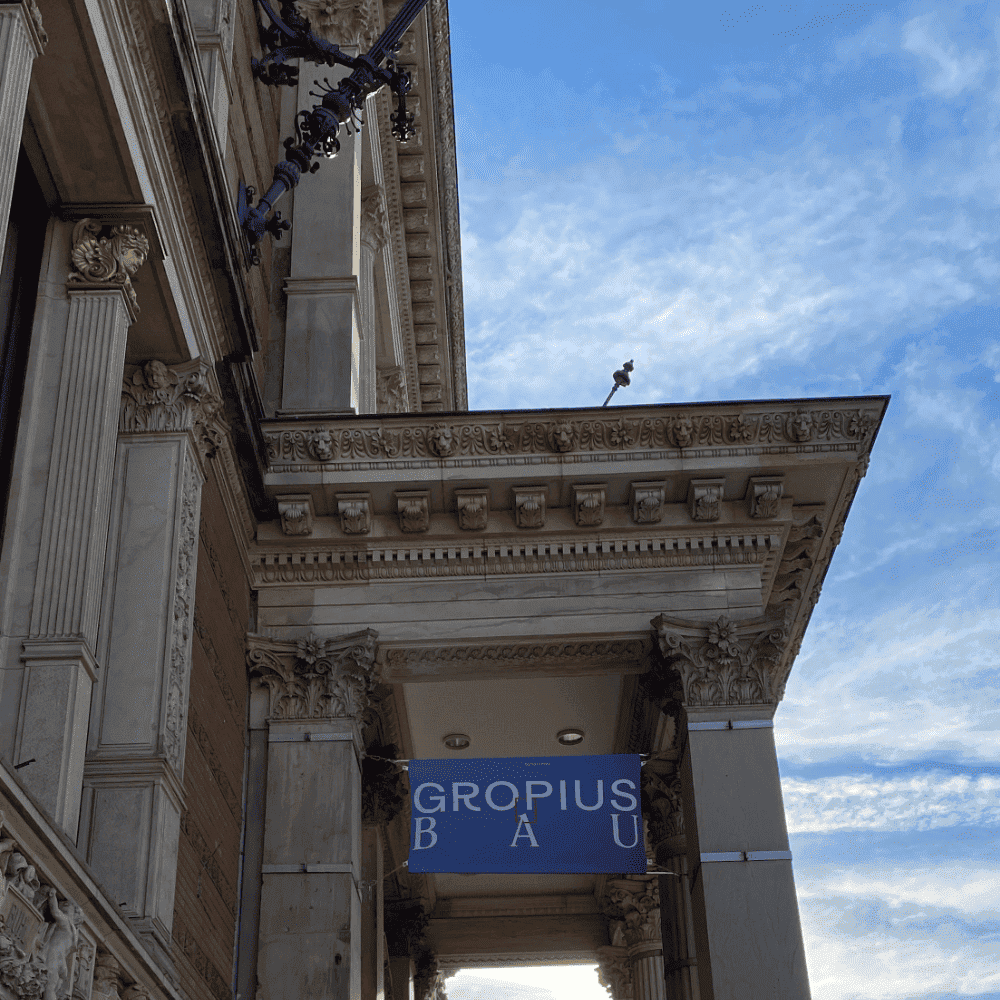
Designed by architects Martin Gropius and Heino Schmieden, Gropius Bau opened to the public in 1881, showcasing its striking Italian Neo-Renaissance architecture adorned with elaborate terracotta decorations and golden mosaics.
The building was badly damaged during the second World War, with the roof and collection holdings reduced to ashes. Later on, it was saved from planned demolition in the 1960s thanks to advocacy by Walter Gropius, the great nephew of its creator and founder of the Bauhaus.
Since 2001, the Gropius Bau has been part of the Berliner Festspiele, establishing itself as one of Germany’s most important contemporary exhibition venues, hosting major shows by internationally renowned artists including Ai Weiwei, Diane Arbus, and Anish Kapoor.
Today, the institution goes beyond traditional exhibitions to function as a dynamic cultural hub with an artist-in-residence program, performances, and a free play space for children. It all embodies the museum’s vision of art as a catalyst for open dialogue and creative exchange in an increasingly divided world.
- Where: Niederkirchnerstraße 7, 10963 Kreuzberg | Map
- More info here.
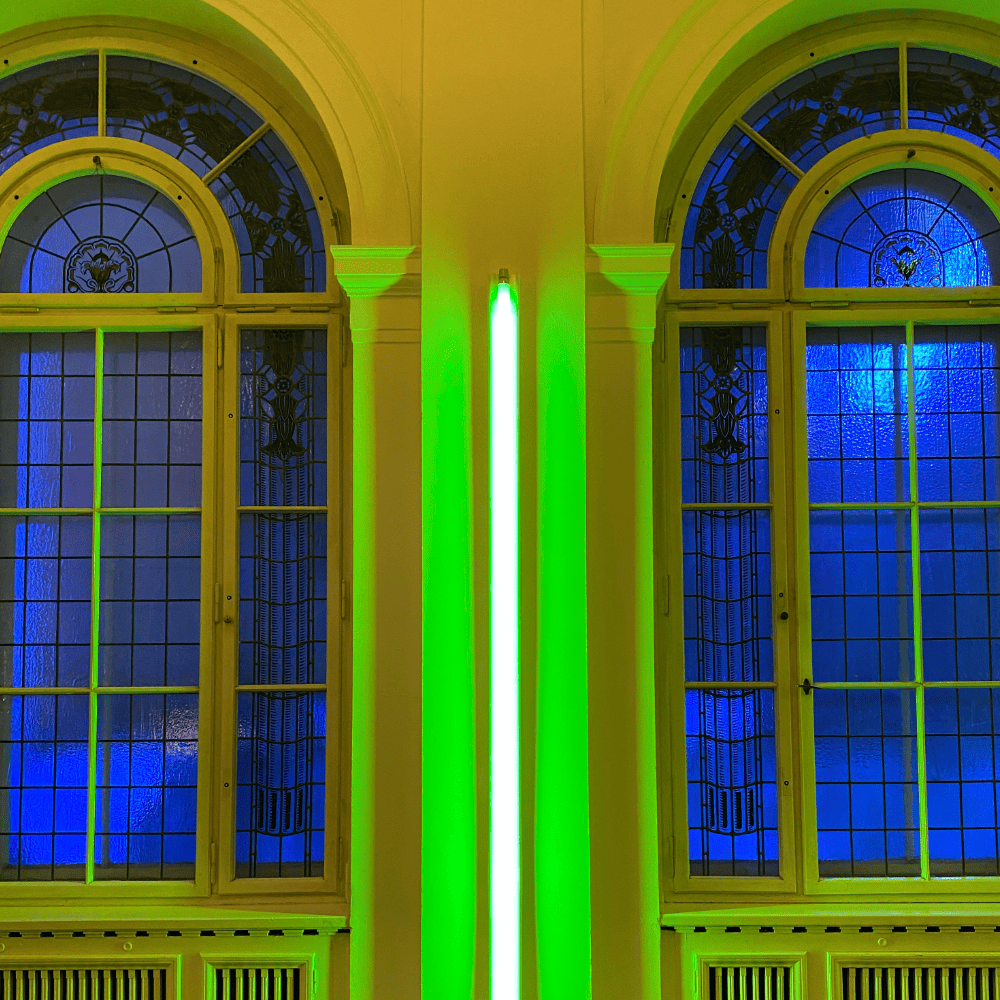
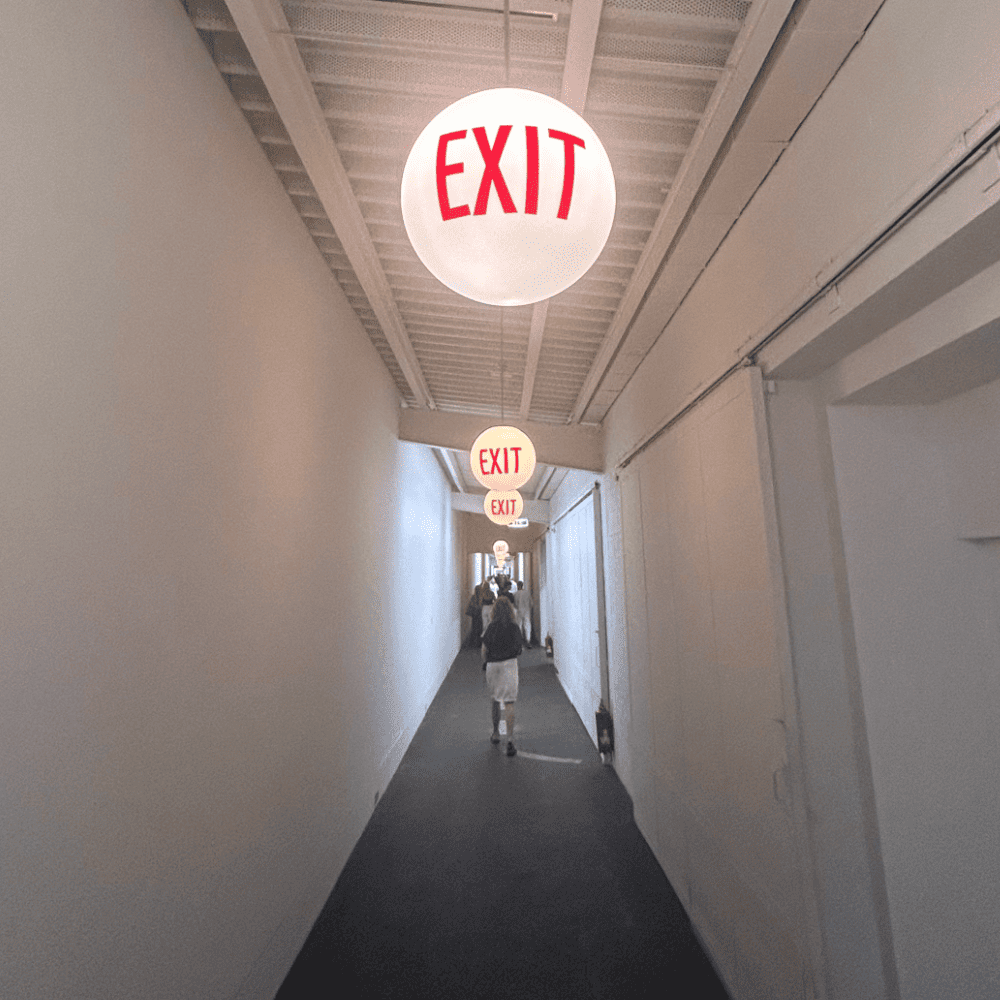
Hamburger Bahnhof
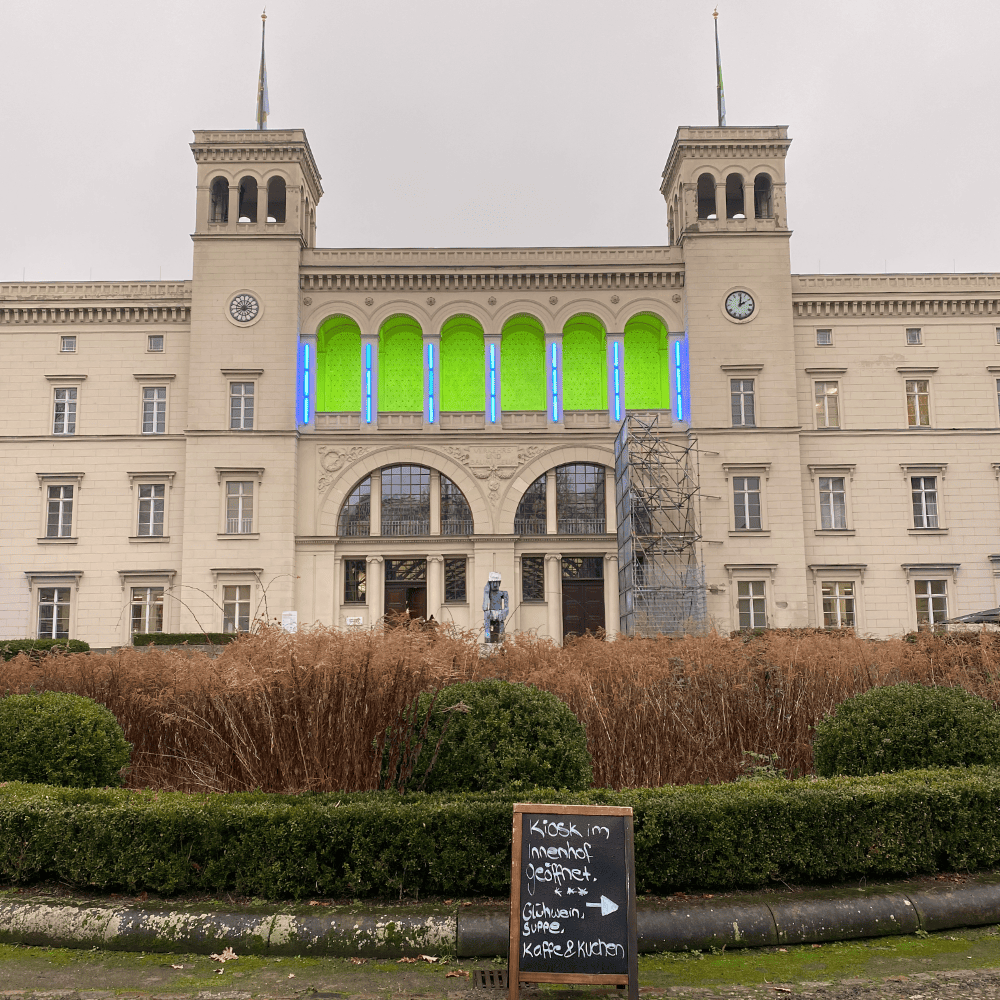
As the name might suggest, Hamburger Bahnhof is a former railway station that has been transformed into a temple of contemporary art and cutting-edge installations. The permanent collection includes pieces by Andy Warhol, Roy Lichtenstein, and Joseph Beuys, while rotating exhibitions spotlight emerging and established contemporary artists.
The museum’s spectacular main hall and adjacent Rieckhallen exhibition spaces create a dialogue between the building’s historic industrial architecture and cutting-edge contemporary art.
Check out their program, especially during the summer when they open up the garden to Berlin Beats, a series of free musical events, featuring DJs like Ellen Allien and Freddy K.
- Where: Invalidenstraße 50, 10557 Moabit | Map
- More info here.
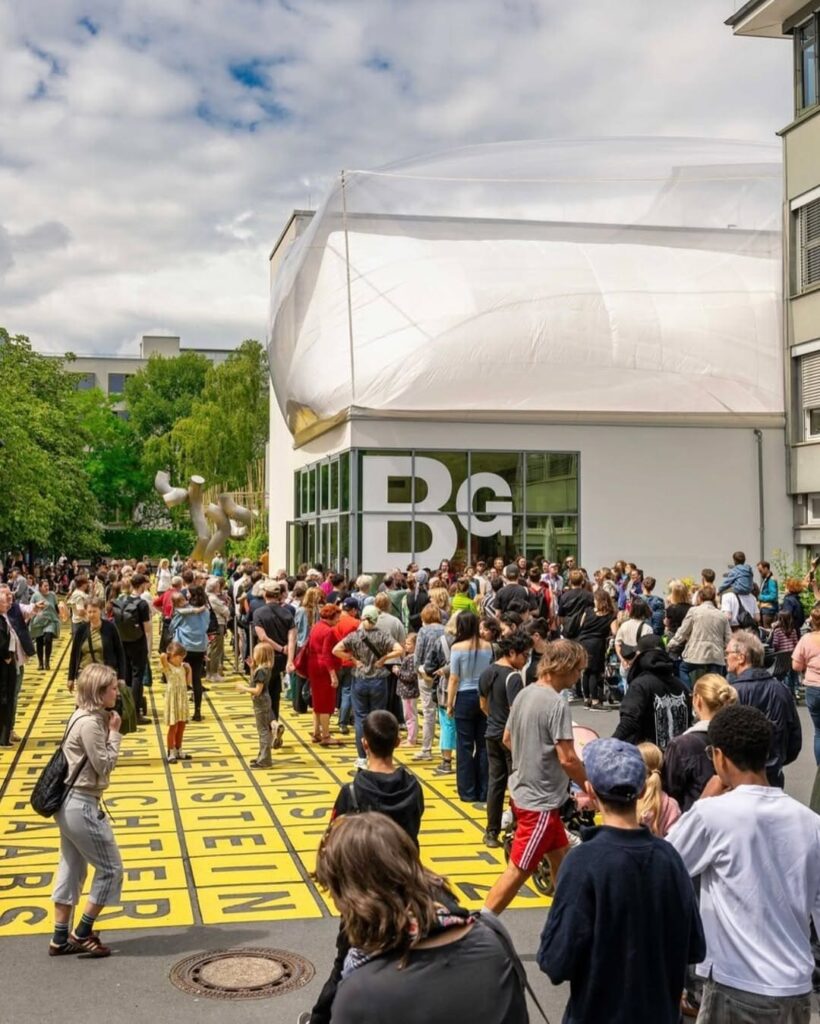
Berlinische Galerie
Founded in 1975, the Berlinische Galerie is one of Berlin’s youngest museums, collecting art created in the city from 1870 to the present day. In 2004, the state museum moved into its first permanent home: a converted 1964 glass warehouse in Kreuzberg that was expanded with a second story, foyer, library, study room and auditorium, creating 4,600 square meters of exhibition space just around the corner from the Jewish Museum.
The museum’s interdisciplinary collection encompasses painting, sculpture, photography, and architecture. It has particularly strong collections of Berlin Dada, New Objectivity, and the Eastern European avant-garde. The permanent exhibition traces the Berlin art landscape from 1880 to 1980, showcasing the evolution from imperial-era middle-class painting through Expressionism, while special exhibitions on the ground floor engage with contemporary artistic practice.
Instantly recognizable by the iconic yellow field of letters spelling out artists’ names on the floor outside its entrance, the Berlinische Galerie offers a compelling narrative of art in a city shaped by division and reunification.
- Where: Alte Jakobstraße 124-128, 10969 Kreuzberg | Map
- More info here.

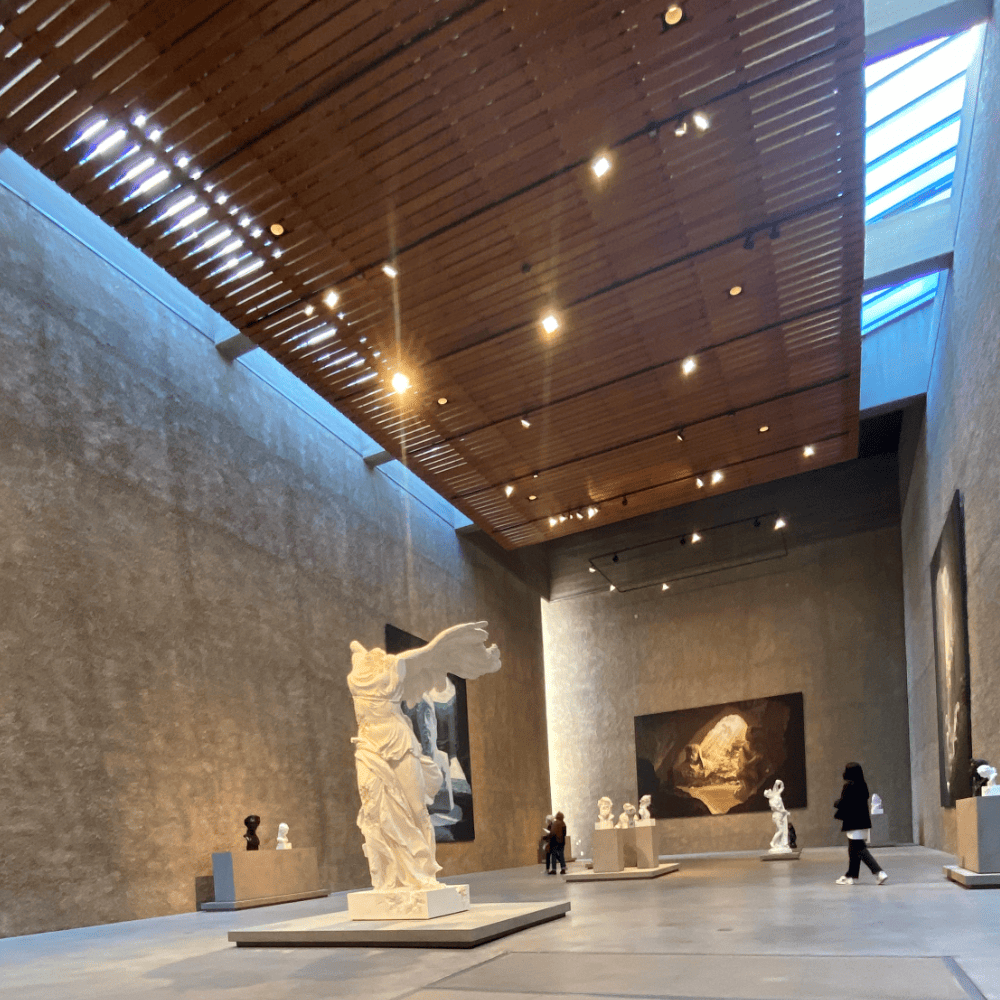
König Galerie
Founded by Johann König in Berlin in 2002, König Galerie has grown into one of the city’s most influential contemporary art galleries. It represents over 40 international emerging and established artists with a focus on younger generations.
In May 2015, the gallery took up residence in St. Agnes, a monumental former church built in the 1960s in the Brutalist style, where exhibitions unfold dramatically in two distinct spaces: the former chapel and nave.
Designed by architect Werner Düttmann and converted by renowned architect Arno Brandlhuber, St. Agnes features massive concrete blocks and exposed surfaces that reveal the grains of original wood casts, with a 20-meter-high interior flooded with daylight from two large overhead windows despite being largely windowless.
The gallery’s program emphasizes interdisciplinary, concept-oriented, and space-based approaches across various media, including sculpture, video, sound, painting, printmaking, photography, and performance.
Tip: The beautiful cafe westberlin is right next door, and it’s the perfect pick-me-up location either before or after visiting the gallery.
- Where: Alexandrinenstraße 118-121, 10969 Kreuzberg | Map
- Free entry.
- More info here.
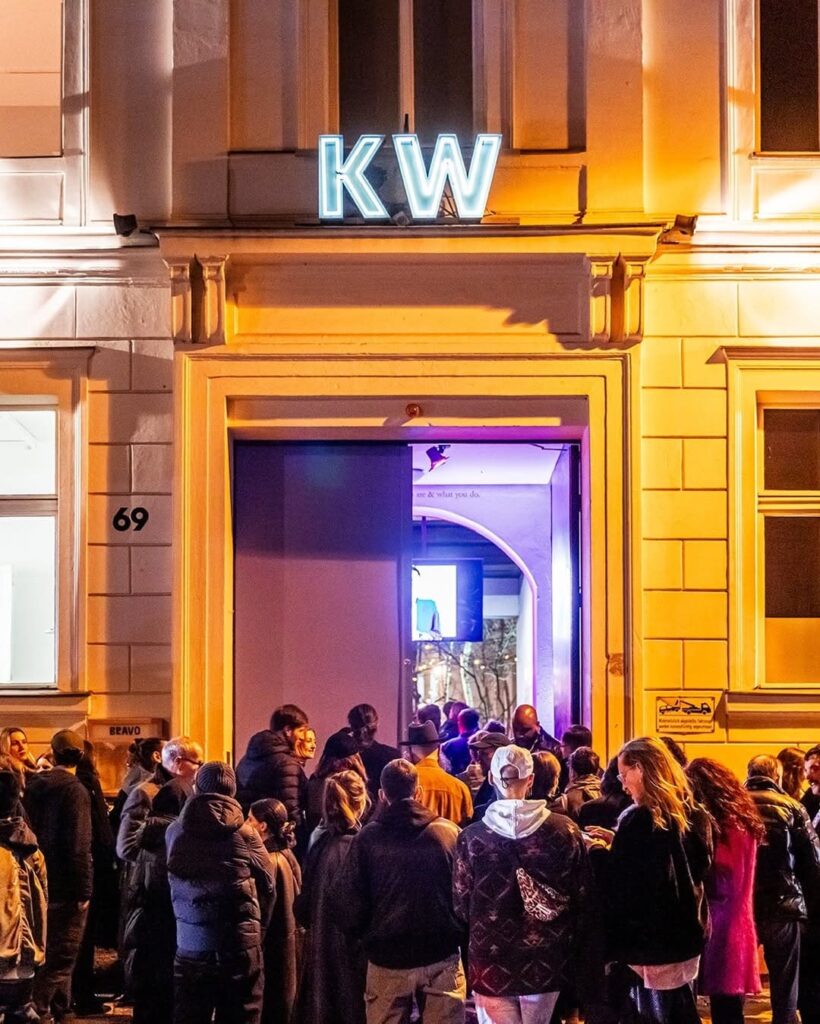
KW Institute for Contemporary Art
Founded in 1991 in a derelict former margarine factory in Mitte, KW Institute for Contemporary Art has played a vital role in establishing Berlin as a global center for contemporary art in the years following the fall of the Berlin Wall.
Without a permanent collection, flexibility and openness lie at the heart of what makes KW special. This flowing approach allows the institution to function as a dynamic laboratory for contemporary artistic practice rather than a traditional museum. Spread across four floors, regularly rotating exhibitions champion pieces with political and social themes.
The complex also houses artist studios, event spaces, and the striking Café Bravo in the courtyard, designed by artist Dan Graham. Under the current director Emma Enderby, KW continues to engage with pressing contemporary questions through exhibitions, commissions, and collaborations that reflect both Berlin’s local creative scene and international artistic discourse.
Insider Tip: KW celebrates First Thursdays: the first Thursday of every month offers extended opening hours and free admission.
- Where: Auguststraße 69, 10117 MItte | Map
- More info here.
Helmut Newton Foundation
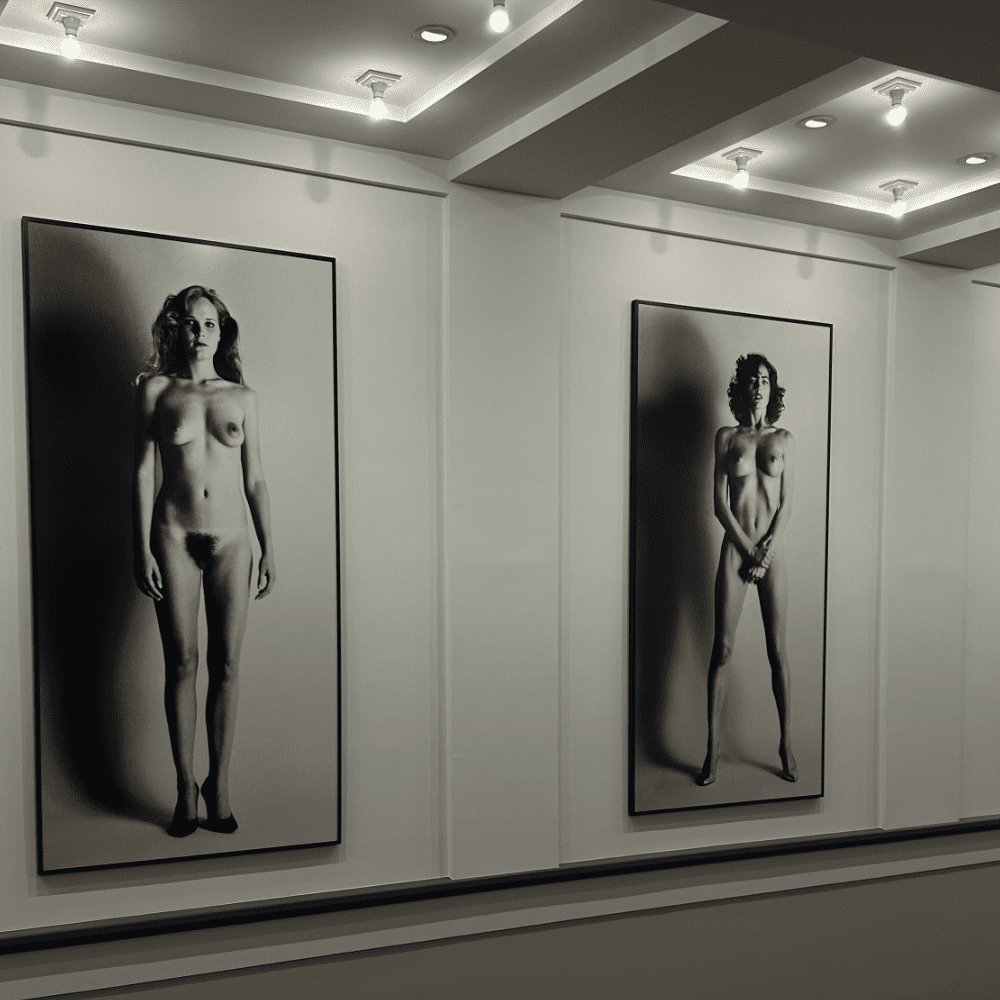
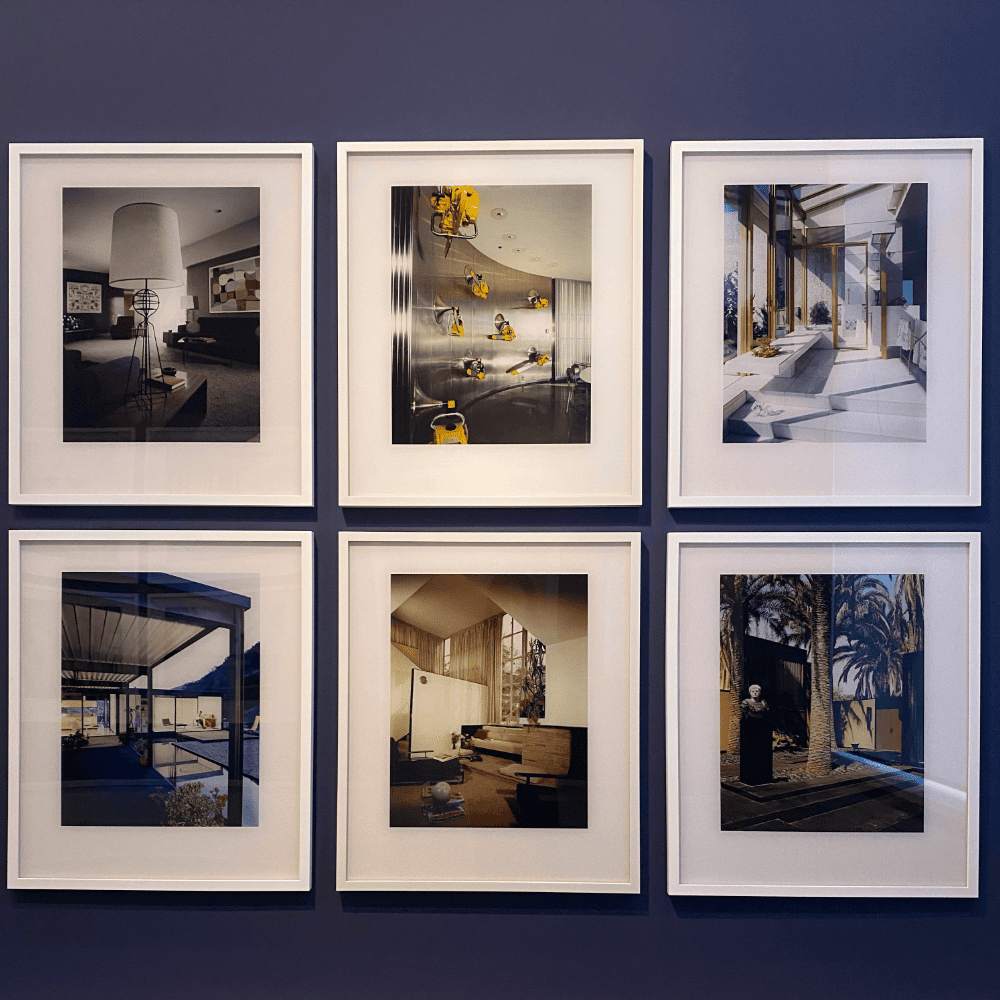
The Helmut Newton Foundation opened to the public in June 2004 in a neoclassical former military officers’ casino near the Zoologischer Garten station. This is same station from which Helmut Neustädter fled Berlin as a Jewish refugee in December 1938, returning 65 years later as the world-famous photographer Helmut Newton.
The permanent exhibition, titled “Helmut Newton’s Private Property,” offers an intimate look at the photographer’s creative world. It displays everything from his cameras and library to his iconic silver-blue Jeep, while changing exhibitions on the upper floor explore specific themes from Newton’s provocative body of work in fashion, nudes, and portraits.
If you’re a photography lover, it’s an essential destination for understanding one of the twentieth century’s most influential fashion photographers.
Tip: This one is Dua Lipa approved.
- Where: Im Museum für Fotografie, Jebensstraße 2, 10623 Charlottenburg | Map
- More info here.
C/O Berlin
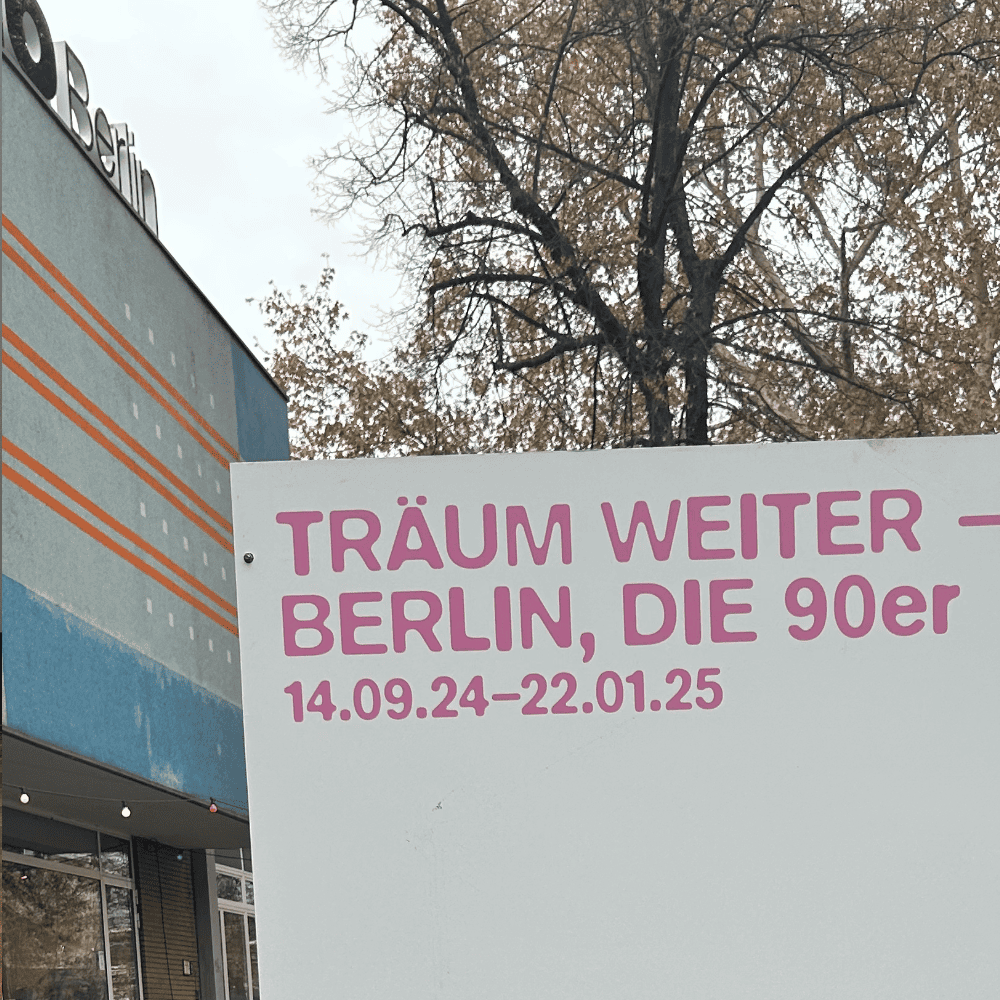
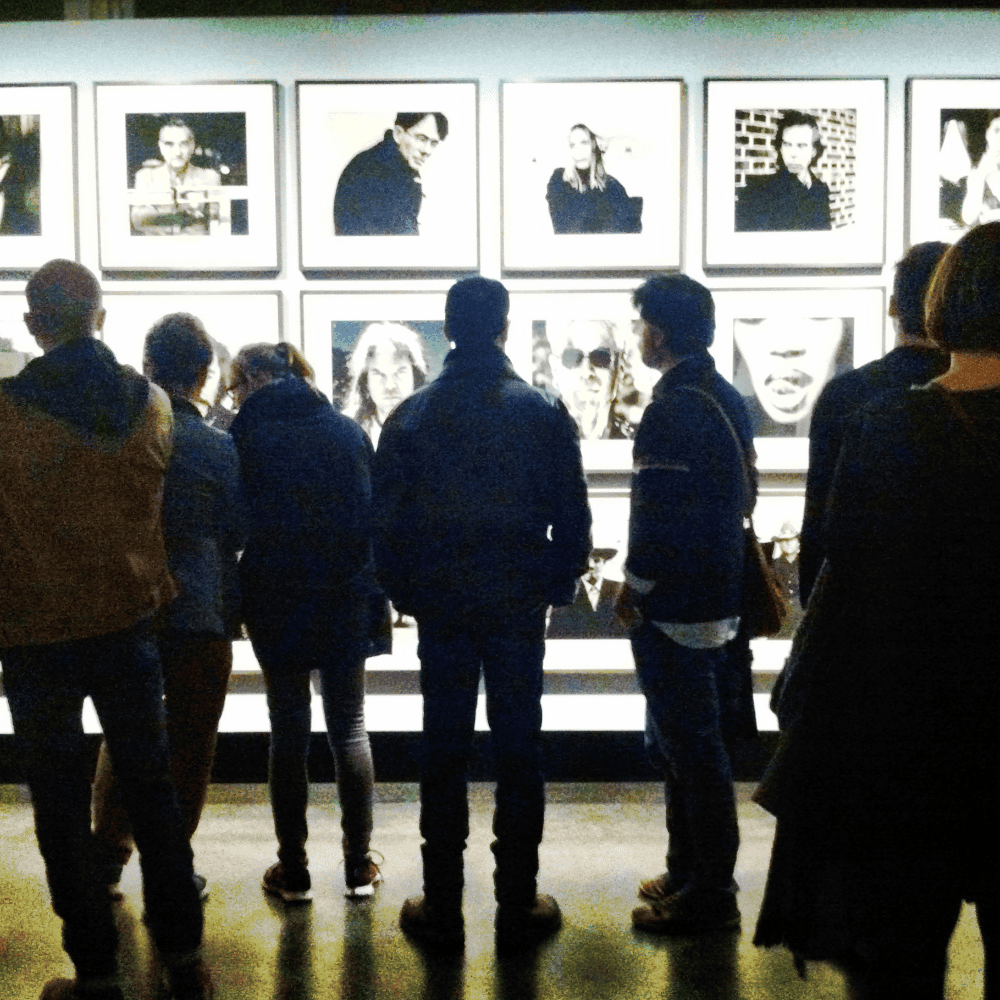
C/O Berlin has established itself as one of Europe’s most active and renowned photographic institutions, having presented over 180 exhibitions since its inception 25 years ago. In 2024, the non-profit foundation moved to its current home in Amerika Haus: a historically significant modernist building that once served as a cultural center and information hub for the United States in Berlin.
With over 2,500 square meters of exhibition space, C/O Berlin presents up to twelve exhibitions annually, showcasing works by internationally acclaimed photographers alongside emerging talents. They have featured everyone from Annie Leibovitz and Nan Goldin to contemporary African photographers, challenging Western narratives.
The space also functions as a vibrant cultural hub with artist talks, panel discussions, film screenings, educational workshops for all ages, a well-curated bookstore, and a charming café.
- Where: Amerika Haus, Hardenbergstraße 22-24, 10623 Charlottenburg | Map
- More info here.
Boros Collection | Sammlung Boros
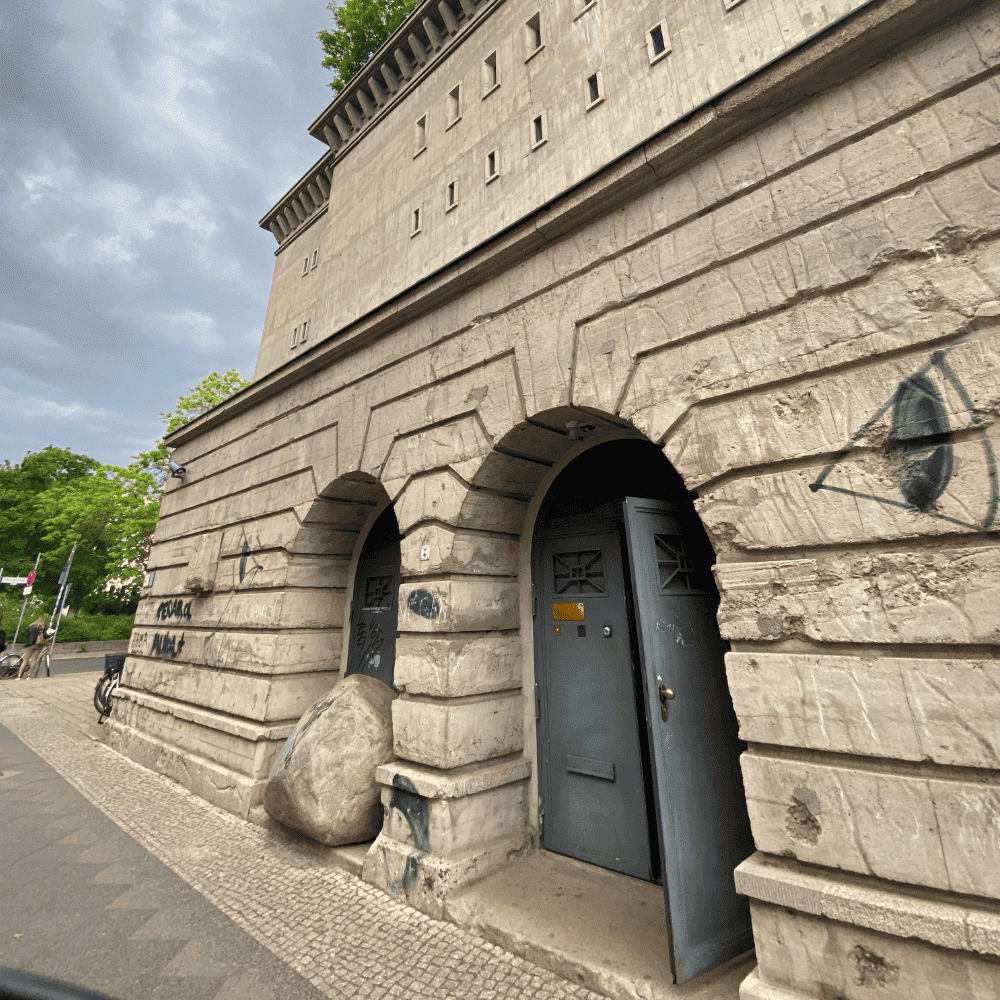
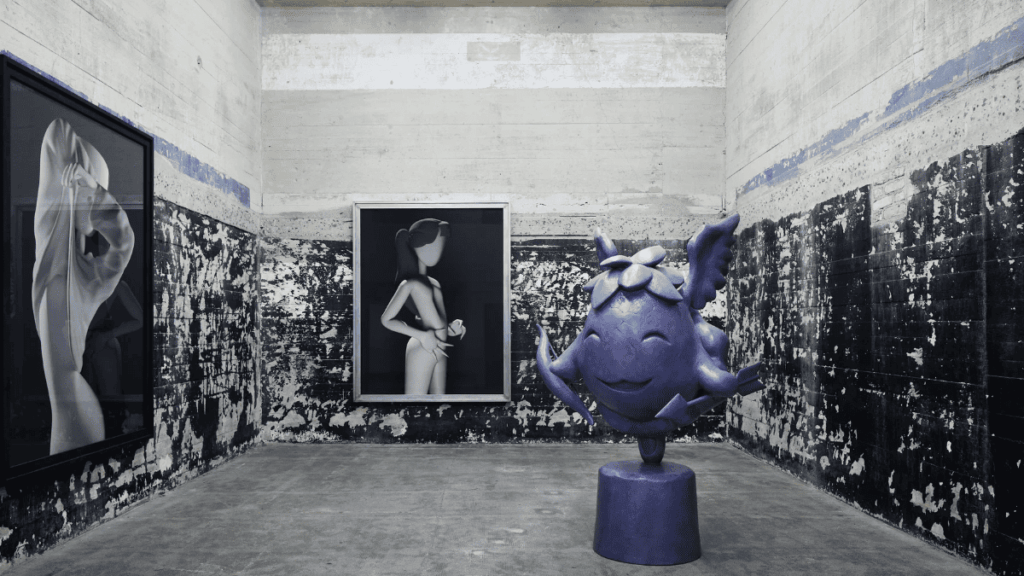
If you’re looking for an art experience that offers true Berlin flavor, this is it. The Boros Collection is a private collection of contemporary art by Karen and Christian Boros, housed in a renovated bunker. Today, it features international works from 1990 to the present displayed across 3,000 square meters, with the private Boros residence housed on top.
Originally constructed in 1943 as a Nazi-era air-raid shelter, the massive square structure has walls up to three meters thick and contains 120 rooms across five floors. The bunker’s remarkable history includes stints as a Soviet prisoner-of-war camp, a storage facility for tropical fruit, earning it the nickname “Banana Bunker” among East Berliners. In the 1990s, a legendary hardcore techno club. (Natürlich!)
In 2003, Christian Boros purchased the building and commissioned architects Jens Casper and Petra Petersson to transform it into an exhibition space. The collection features works in sculpture, photography, and painting, with some rooms designed as classic white cubes while others retain traces of the bunker’s past uses. The collection changes out every couple of years, and it’s definitely worth a visit, even if you’ve visited before.
Visits are by guided tour only in small groups, with 1.5-hour tours offered in either English and German for 18 euros.
Tip: Boros is very popular (especially with celebrities like Dua Lipa and Katy Perry) so book your tickets ahead of time to avoid disappointment!
- Where: Reinhardtstraße 20, 10117 Mitte | Map
- More info here.
The Feuerle Collection
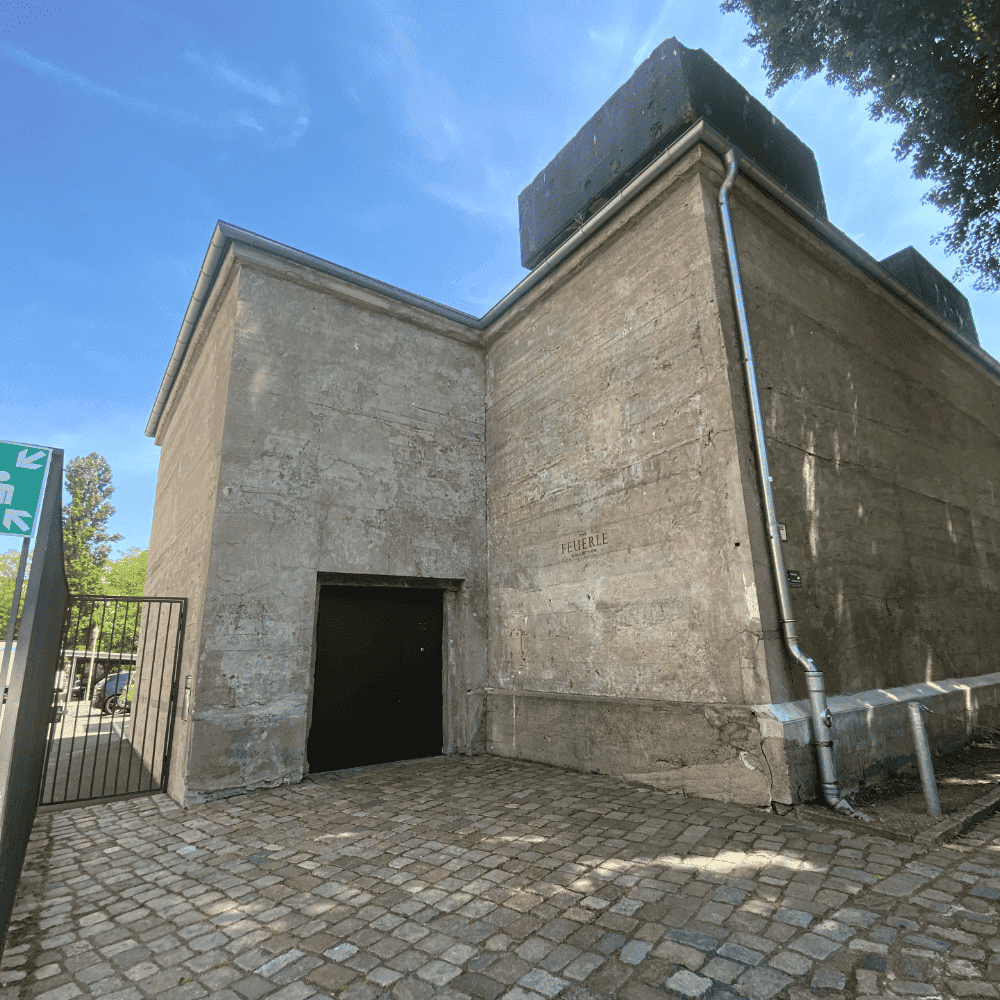
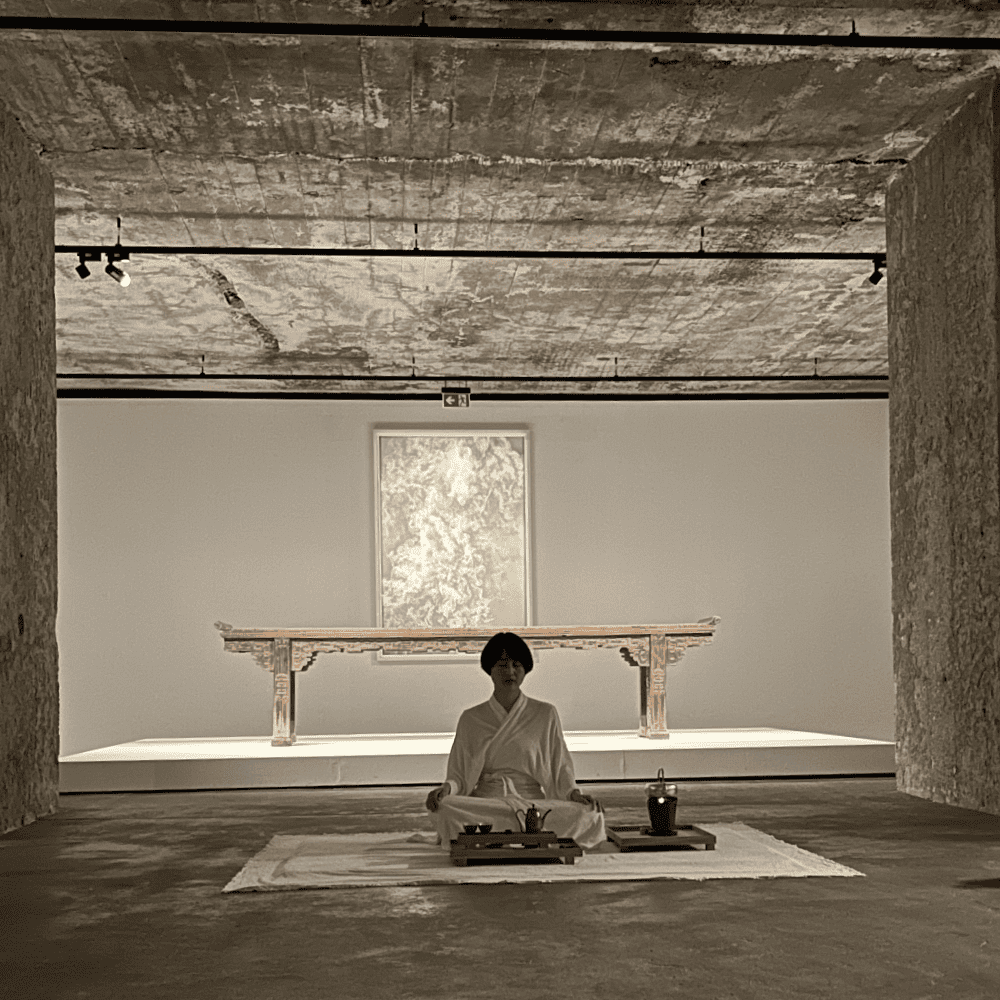
Boros is more well-known, but did you know that Berlin has a second art gallery located in a renovated bunker? The Feuerle Collection is a captivating private museum in Kreuzberg that creates an extraordinary dialogue between contemporary international art, Imperial Chinese furniture, and ancient Southeast Asian Khmer sculptures.
Housed in a former World War II telecommunications bunker, the space was masterfully renovated by renowned British architect John Pawson. The renovation transformed over 7,350 square meters into an immersive art experience which includes main exhibition rooms, a Sound Room, a Lake Room, and a unique Incense Room.
The collection opened to the public in 2016 and embodies collector Désiré Feuerle’s vision of presenting ancient art from a contemporary perspective. The space displays pieces from different cultures and time periods together and encourages you to interact with the staff for more information.
A visit here is a special experience but be aware they offer guided tour only on Fridays through Sundays and are suitable for ages 16 and above.
- Where: Hallesches Ufer 70, 10963 Kreuzberg | Map
- More info here.
Julia Stoschek Foundation
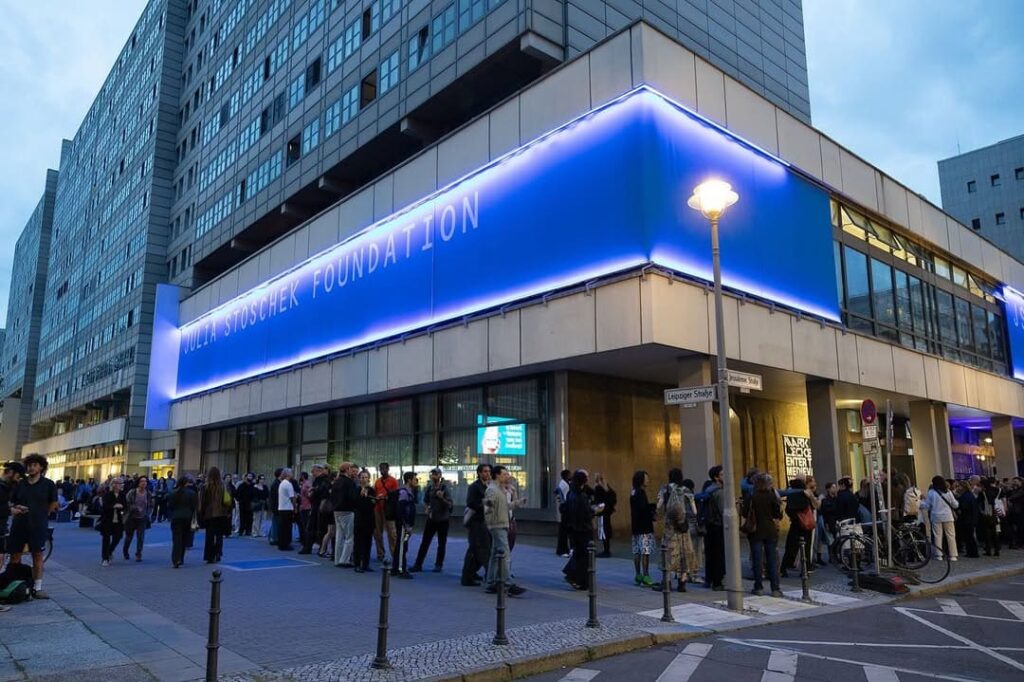
The Julia Stoschek Foundation is a non-profit art and cultural foundation dedicated to modern art, shining a spotlight on more than 300 artists spanning video, film, multimedia environments, performance, sound, and even virtual reality works.
Originally founded in 2007 in Düsseldorf, the foundation opened a second 2,500-square-meter exhibition space in Mitte in 2016, making it the first private collection in Germany to be open to the public in two places simultaneously. The foundation occupies the former Czech Cultural Centre of the GDR, which most recently housed the club “Konzulát” and the Konzulat-Studios office community.
Tip: There’s free admission every first Thursday of the month 18-22:00, with a guided tour through the exhibitions at 19:00.
- Where: Leipziger Str. 60, 10117 Mitte | Map
- Tickets: €5
- More info here.
Berlin Museums | Final Thoughts
Berlin is such a museum-rich city that there’s a perfect choice for everyone! My advice? Definitely take in some German history, especially if you’re here for a short visit and can’t go to multiple museums.


Coming To Berlin?
Discounts on public transportation + more Grab your Berlin Welcome Card here
Stay in touch! Get your free eSIM here.
What to do in Berlin? Start your journey with our Ultimate Guide to Berlin.
Where to stay in Berlin? Check out our Berlin hotel guide.
Where to stay in Berlin? Check out our Berlin neighborhood guide.
Read This Next:
Save Or Share This Post!